
【背景资料】
A施工单位承建某新建单线铁路工程中有1座隧道工程长2600m,其余路段为路基土石方。根据设计图纸,正洞中围岩的绝大部分是Ⅱ级围岩,局部有节理较发育的Ⅲ级围岩,进口处50m为埋深较深且比较破碎的V级围岩,拟采用小断面弱爆破暗挖法,并辅助进行超前支护。出口处40m埋深较浅且极易破碎的VI级围岩,拟采用明挖法,修筑一段明洞。正洞开挖施工拟采用全断面钻爆法。在施工前及施工中有以下情况:
1.进口处的软弱围岩施工拟采用“管超前、严注浆、长进尺、勤量测、晚封闭、快衬砌”的工法。
2.施工中选择的监控量测项目有洞内外观察、水平相对净空变化值和隧道底部隆起等项目。
3.进洞支护方案采用喷射混凝土支护方法,正洞支护采用超前支护方法。出渣方案采用有轨运输方式。
4.每一单口循环开挖进度为2.80m,综合循环时间为12.4h。假定按三班制组织施工,每月作业时间30d,考虑工程环境和时间利用率后的修正系数0.85。隧道从进出口外不具备作业面条件,进口处施工需1个月,出口段及明洞需3个月,施工准备2个月(不考虑两工作面相向施工临近贯通相距8循环进尺前一方要撤出对工期的影响)。
5.工程实施过程中,施工单位A将隧道出口明挖段回填土工程外加与此连接的1500m路基土石方工程直接分包给某施工单位B,并签订分包合同。工程铺轨前,监理单位组织路基检测时发现明挖段路基填方密实度不合格。
6.在一次爆破中发生一起安全事故,轻伤2人。经调查此2人不是爆破工却执行了爆破作业。
【不定项选择题】


某安装公司承接商务楼机电安装工程,工程内容:设备、管道和通风空调安装等;商务楼办公区域空调系统采用多联机组。项目部在施工成本分析预测后,采取劳动定额管理,实行计件工资制:控制设备采购;在量、价方面控制材料采购控制施工机械租赁等措施控制施工成本,使计划成本小于安装公司下达给项目部的目标成本。项目部依据施工总进度计划,编制多联机组空调系统施工进度计划(见表3),报公司审批时被否定,要求重新编制。在施工质量检查时,监理工程师要求项目部整改下列问题:
(1)个别柔性短管长度为300mm,接缝采用粘接;
(2)矩形柔性短管与风管连接采用抱箍固定
(3)柔性短管与法兰连接采用压板铆接,铆钉间距为100mm。
商务楼机电工程完成后,安装公司、设计单位和监理单位分别向建设单位提交报告,申请竣工验收,建设单位组织成立验收组,制定验收方案。安装公司、设计单位和监理单位分别向建设单位移交了工程建设交工技术文件和监理文件。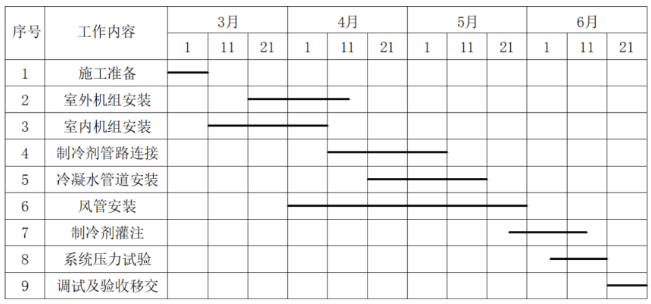

手机使用

微信扫一扫
分享
参考答案

参考解析
【不定项选择题】
【不定项选择题】
【案例二】
A钢铁公司焦化厂建有2×45孔炭化室高度为6m的顶装焦炉,年产焦炭9×10°t。B劳务公司与焦化厂签订了设备维护劳务合同。
2017年5月6日,1号焦炉地下室焦炉煤气加热系统停煤气检修,检修内容主要有清洗加减旋塞,清理煤气管道内的沉积物。停煤气方案中确定,在位于地下室一端的煤气预热器入口阀门后的法兰处堵盲板。堵盲板及管道吹扫置换任务由焦化厂承担,其他检修任务均由B劳务公司承担。
8时30分,按照检修方案停止焦炉出炉与加热,关闭预热器前阀门,并通入蒸汽对煤气管道进行吹扫。9时30分,煤气主管道末端放散管大量冒出蒸汽,取样做爆发试验合格后,盲板班人员进行堵盲板作业。再次做爆发试验合格后,B劳务公司人员开始用洗油清洗加减旋塞,用自制的铁耙清理煤气管道中的焦油渣。
11时15分,B劳务公司清洗旋塞与清理管道人员均不同程度出现头晕现象,现场人员汇报厂领导后,安装轴流风机加强通风。11时40分,在交换机断电的情况下,人工进行换向,现场突然发生剧烈爆炸,造成B劳务公司2人当场死亡,5人烧伤,爆炸导致煤塔一层热工休息室和中控室墙壁倒塌,3人受伤。
经检查分析发现,盲板制作与安装存在严重问题,一是与法兰连接的管道外圆直径为500mm,实测盲板直径550mm,法兰螺栓孔距离管道外壁46mm,盲板中心与法兰中心未对正;二是20条法兰螺栓仅安装了12条。由此造成大量煤气通过月牙形缺口泄漏到煤气管道中,且扩散到附近的热工休息室和中控室。
根据以上场景,回答下列问题:
【不定项选择题】
某电网工程公司承接了2座220kV变电站建设工程和高压输电线路工程,高压输电线路建设工程跨越公路、河流、铁路,线路长65km,铁塔150基,沿线海拔800-2000m,属于覆冰区。电网工程公司项目部进场后,编制了施工方案,施工进度计划及质量预控方案,对业主采购的变压器、高低压开关柜、高压断路器、避雷器等进行检查,核对性能参数,符合设计要求。由于该项目部注重项目成本各阶段的控制,对成本控制的内容责任落实、重点突出、方法得当,并定期开展“三同步”检查活动,因此工程竣工取得了较好的经济效益。在项目实施中仍出现以下问题:
事件一:项目部对高压输电线路定位并检查后测设了钢铁架基础中心桩。基础施工完成后采用内拉线抱杆分解组塔法,组立钢塔。在架设接闪线时装设了单接闪线,在少雷区未设置接闪线,被监理单位制止并要求整改。
事件二:电网工程公司在变压器交接试验中,由电气试验人员按照交接试验标准规定,进行了变压器绝缘油试验,检查所有分接的变压比,检查相位,测量绕组连同套管的直流电阻等内容,监理检查时认为变压器电气试验项目不全,要求补充试验。安装完成后进行了送电试运行。
【不定项选择题】
李先生和李太太(陶女士)都是收入稳定的公务员,两人目前和李先生的母亲同住,没有孩子。最近,李先生和太太计划要一个小宝宝,同时还有一些其他的家庭目标需要进行规划,于是夫妇俩找到了金融理财规划师进行咨询。理财规划师就李先生的家庭状况进行了分析。
一、案例成员
家庭成员 | 职业 | 年龄 |
李先生 | 警察 | 34岁 |
陶女士(李先生的太太) | 公务员 | 28岁 |
王女士(李先生的母亲) | 退休职业 | 58岁 |
二、收支状况:李先生的母亲每个月有600元的退休工资,全家每个月的医疗费大概要100元。夫妇二人目前有现金和定活期存款40000元。结婚前,李先生和太太贷款买了一套住宅,每月还款1500元,目前房贷余额还有30万元左右。原来的老房子已出售,得到了13万元现金。李先生打算将这笔钱投向股市和基金。
表1 年度收支状况表(单位:元)
收入 | 支出 | ||
李先生本人收入 | 42000 | 基本生活开销 | 30000 |
配偶收入 | 36000 | 物业管理费 | 1800 |
母亲收入 | 7200 | 房屋贷款 | 18000 |
年终奖金 | 6000 | 医疗费 | 1200 |
|
| 保险费 | 5000 |
合计 | 91200 | 合计 | 56000 |
年度结余 | 35200 |
| |
三、资产负债状况
表2 家庭资产负债状况表(单位:元)
家庭资产 | 家庭负债 | ||
现金及活存 | 10000 | 房屋贷款 | 300000 |
定期性存款 | 30000 |
|
|
房产(自用) | 500000 |
|
|
其他 | 130000 |
|
|
合计 | 670000 | 合计 | 300000 |
资产净值 | 370000 |
| |
四、李先生家庭保险状况
李先生和太太除了参加社会养老保险外,李先生自己还购买了一份大病险及附加意外险,太太购买了一份有分红功能的寿险。
五、李先生夫妇的理财目标
1.两人打算要一个孩子,需要一笔资金为孩子出生做准备;
2.希望将老房变现后的资金进行合适的投资;
3.希望为全家购买合适的保险;
4.希望5年内买一辆15万元的家庭轿车。
5.目前准备好孩子20年后需要的教育金34000元。
六、假设条件
1.假设通货膨胀率为3%,个人所得税按现行税率;
2.假设住房公积金、养老金保险、医疗保险金与失业保险金占税前收入的比例分别为8%、8%、3%、1%,允许税前扣除,个人免征额为2000元;
3.学费增长率为4%,投资回报率为8%,工资增长率为4%;
4.李先生60岁退休,李太太55岁退休。
【不定项选择题】
背景资料
某河道整治工程划分为一个单位工程,工程建设内容包括堤防加高培厚、穿堤涵洞拆除重建等。在施工期间发生如下事件:
事件1:由于承包人部分施工设备未按计划进场,不能如期开工,监理人通知承包人提交进场延误的书面报告。
事件2:某段堤防填筑时,某横断面堤基存在坑塘,坑塘边坡为1:4.5,施工单位进行了排水、清基后、沿坑塘边坡顺坡分层填筑施工至地面高程。
事件3:穿堤涵洞拆除后,施工单位对涵洞地基加固处理单元工程质量进行自检合格后,报监理单位复核。监理工程师核定该单元工程施工质量等级并签证认可,质量监督部门认为上述涵洞地基加固处理单元工程施工质量评定工作的组织不妥。
事件4:该工程某段堤防长80m,划分为一个分部工程。该分部工程有108个单元工程,单元工程质量全部经监理单位复核认可,108个单元工程质量全部合格其中优良单元工程88个;主要单元工程以及重要隐蔽单元工程共26个,优良24个,施工中未发生过质量事故。
【不定项选择题】
【背景资料】
某施工单位承建了一座单洞隧道工程,隧道长度300m,建筑限界净高5m,无紧急停车带。
隧道围岩等级为II级和IV级,其中IV级围岩复合式衬砌断面如图4所示。开工前,施工单位在当地招用了部分农民工,签订了劳动合同,约定了工资支付标准、支付时间和方式等内容,并将劳动合同报有关单位备案。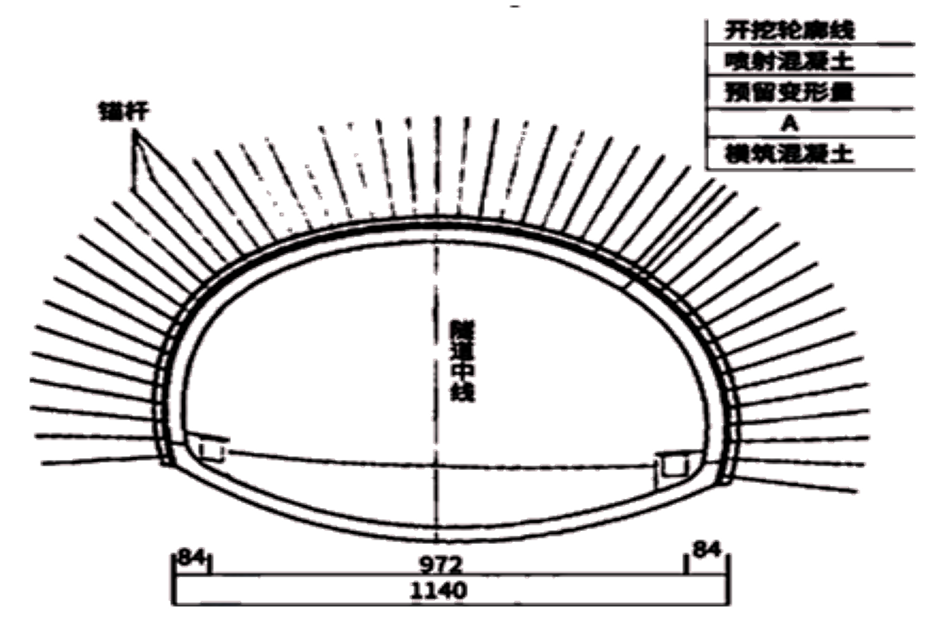
施工中发生以下事件:
事件一:监控量测方案中确定了洞内外观察、围岩体内位移(洞内设点)、周边位移、拱顶下沉、锚杆轴力、钢架内力及外力等监控量测项目,并明确了量测部位和测点布置;在量测数据处理与应用中给出了位移管理等级,见表4。
事件二:施工单位确定用水量时,考虑了施工人员的生活用水、浴池用水、消防用水、衬砌用水(包括拌和、养护和冲洗等用水)、喷雾洒水用水等因素的耗水量,并在洞口上方砌筑了一座高压水池。
隧道施工完成后进行了交工验收,交工验收工程质量得分为85分。通车试运行2年后,项目法人按竣工验收工作程序及时组织了竣工验收,竣工验收委员会对工程质量的评分为86分,质量监督机构对工程质量的鉴定得分为82分。
【不定项选择题】
小美很喜欢唱歌,从小就希望自己在音乐方面有所成就。在她还没有确定是否报考音乐学院前,她在众人面前能很好地展现自己的歌声。她确定报考音乐学院后,学习更加勤奋努力,希望实现自己的目标。但是在音乐学院的专业课面试过程中,由于她极度渴望有完美的表现,结果事与愿违,但是没有发挥应有的水平,而且比平时更差,导致面试失利,这个结果让大家很诧异,她自己也无法接受。
【不定项选择题】
【背景材料】
一项通信综合楼电源设备安装以及基站安装工程,部分工程利旧,合同约定7月10号开工,10月30号完工。开工前,项目部进行安全交底是针对高空作业提出了下列具体措施:
1)作业人员必须佩戴安全帽,穿安全服,工作鞋;
2)施工时划定安全禁区,并设置警示标志;
3)遇到5级以及以上大风或气温高过37°时停止塔上作业;
4)作业前禁止饮酒;保持作业人员精力集中,情绪稳定;
5)服从统一指挥。
施工单位发现部分电源线的线径较细,因此提出改变电源线规格程式的变更申请。建设单位认为工程为包工包料的承包方式,不予追加费用,施工单位因此仍按照设计要求敷设各种电源线。9月下旬,个别站点机房接地网仍未做好,建设单位要求先安装设备及天馈线,待地网完成后,再加电开通设备,以保证工期。在工程试运行阶段,维护人员发现接地线上的部分电源线温度过高,施工单位及时进行了处理。
【不定项选择题】
【背景资料】
某路桥施工企业中标承包某一级公路B合同段的改扩建工程主线起讫桩号为K0+281. 5~K67+046. 2,主线路线全长66. 744km;连接线起讫桩号为K0+000~K2+181. 71,连接线全长2. 181km。K1+220~K1+360段为半挖半填路段,路基挖方边坡设置重力式挡土墙。结构形式如图所示:
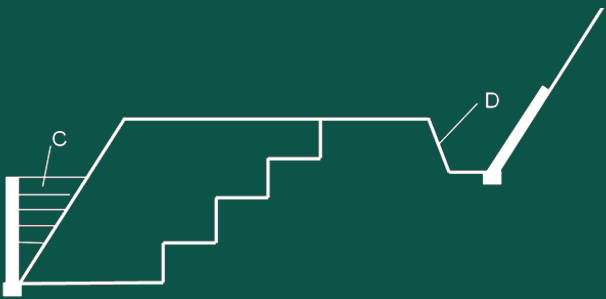
项目区软土路基分布不均匀。施工单位针对不同软土路基路段提出相应处理标准:
事件一:一般填方路基段,采用真空预压配合塑料排水板处理,示意图如图所示。施工单位制定的塑料排水板及垫层整体施工工艺流程如下:整平原地面→摊铺下层砂垫层→机具定位→A→插入套管→拔出套管→割断塑料排水板→机具移位→B。其中,塑料排水板端头埋入垫层20cm。
事件二:为保证施工质量,对路基施工技术施工的质量控制关键点设置为:
①施工放样与断面测量;
②路基原地面处理;
③路基横坡要满足要求;
④分层填筑、分层压实。