
企业的地方行政机关支付的违规排污罚款,应列入现金流量表中“支付其他与经营活动有关的现金”项目。()
【不定项选择题】


郑女士有一个在读初三的女儿,就此她向理财师就子女教育规划方面的问题进行了咨询。
根据以上材料回答下题。

手机使用

微信扫一扫
分享
参考答案

参考解析
【不定项选择题】
E公司承包了一煤化厂工程。其中洗涤塔重690t(上塔220t,下塔470t),属第二类压力容器,分段吊装。由E公司负责洗涤塔安装(吊装,就位),F公司进行组焊。E公司有GC1级压力管道安装许可资质,A级起重机安装许可资质。
F公司为保证安装质量和安全,在下塔合缝处设置了作业平台,外部设置了保护围封和踢脚板。
洗涤塔吊装采用“单主机抬吊递送法”。主机为1250t履带式起重机,辅机为260t。起重机部件到场后,进行了组装。验收后进行吊装。吊装凌空高度为500mm。
施工准备阶段编制了各种施工方案,对基础混凝土强度,预埋地脚螺栓中心距等内容进行了检查验收。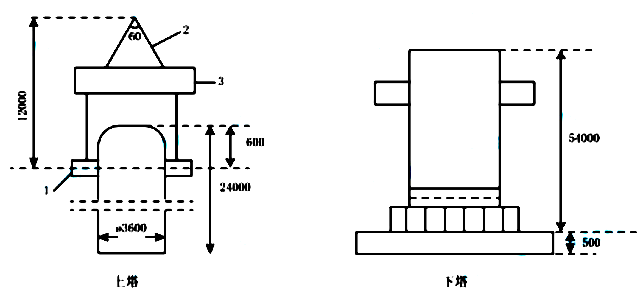
【不定项选择题】
2019年1月,张先生和李女士夫妻二人有一个幼儿园即将毕业的儿子和一个刚出生的女儿。张先生父母健在,张父62岁,张母58岁,张先生还有一个亲哥哥在厦门工作。李女士只有父亲建在,李父61岁,李女士为独生子女,夫妻二人在上海有一套住房,该房屋是张先生父母早年所购买,房屋产权证明登记为张先生,贷款合同的贷款人为张先生父母,因工作原因,张先生需要在深圳租房居住。张先生2019年在接受学历继续教育的同时还取得技能人员职业资格证书。夫妻二人均为税前月收入3万元,无年终奖。根据以上资料,回答下列问题。
【不定项选择题】
(二)案例:阅读下面的学生习作,完成题目。
松柏独在
①小马从小喜欢植物,他喜欢牡丹的国色天香,喜欢海棠的清新淡雅,可他最爱的还是松柏的终年青翠。考大学时,小马选择攻读植物学专业,妈妈送给他一句话:“岁寒,然后知松柏之后凋也。”
②小马以优异的成绩完成了大学学业。毕业时,同学们都争抢着要到大城市谋求发展,只有他选择去西藏:“青藏高原上生长着世界上最高大的松树,我要找到它们,发掘它们的价值。”
③小马如愿以尝地来到青藏高原,成为一名植物学工作者。十多年过去了,高原的烈日在小马的脸上隽刻下深深的岁月印记。大家对他的称呼也由“小马”逐渐变成了“老马”。
④由于老马患有先天性心脏病,一直无法登上那几座日思夜想的雪山,但是他探索世界种子宝库的努力却从未停止。他加强身体训练,只为登上那几座雪山,寻找那一颗松柏。终于,在医生的许可下,他踏上了攀登雪山的旅程。
⑤向导告诉老马,当地人告诉他山上有很多奇高的松柏。老马顿时眼中放光,那很可能就是他要找的高原巨松。一路上,冷风刺骨,老马那本就不强壮的心脏剧烈地跳动,但老马没有退缩,为了心中向往的高原巨松,他毫无畏惧。
⑥终于,老马来到一片参天古松的脚下。这些松树是那么粗壮、那么高大。老马抬头望去,这些松树直指湛蓝的天空。老马兴奋极了,连忙带着同行者收集起松柏的枝叶和种子。老马忽然想起母亲说的那句话——真是“岁寒,然后知松柏之后凋也”啊,在这高寒地带,唯有孤傲的松柏能在砾石间深深扎根!
⑦老马和同事们将这些***标本和种子带回实验室研究。他们惊喜地发现,高原巨松的树皮里****的药用成分。
⑧长年的高原生活与****工作,让老马的心脏问题日益严重。但老马热爱自己的植物研究工作,他****,不敢停歇,不会停歇!在第二十三次攀登雪山采集植物标本的过程中,老马的心脏停止了跳动。
⑨老马走了,他守护的高原巨松仍在。老马走了,但他的精神像松柏一样长青。
【不定项选择题】
小李和小王今年都是新考上的大学生,小李考上的是全日制大学本科(4年制),小王考上的是全日制大学专科(3年制),小李想申请国家助学贷款,而小王想申请商业助学贷款。
根据以上材料回答95—97题。
【不定项选择题】
【背景资料】梁玉市政集团承建城市主干路新建工程,道路起点桩号为K0+000,终点桩号为K1+500。采用水泥稳定砂基层厚度300mm宽度10000mm。面层厚度120mm,下面层为30mmAC-25,中面层为40mmAC-16,上面层为50mm的OGFC路面。设计断面图如下图所示: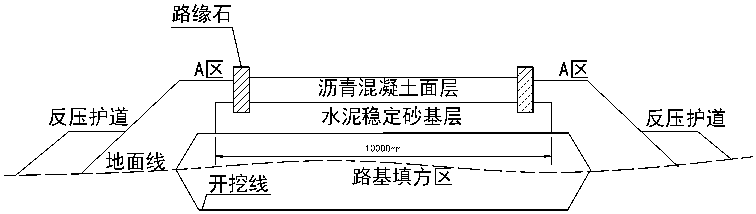
事件一:施工单位进场后发现路基填方范围有多处鱼塘,采取对软土层彻底处理后回填CBR符合设计要求的材料分层回填压实。
事件二:施工单位根据图纸计算了水泥稳定砂基层的理论方量,并按照1.05的松铺系数进行实际备料。
事件三:面层施工分上中下三层分别摊铺,摊铺后一并压实成型。上面层采取轮胎压路机碾压。压实遍数根据经验确定。
【不定项选择题】
背景材料
某集团公司自有机关办公大楼形象工程建设项目,建设单位签订与施工单位签订建筑和装饰装修施工合同。
建筑在上报的单位工程施工组织设计中,提出了冬期施工专项方案,方案中写到:混凝土配制采用普通硅酸盐水泥,混凝土拌合物的出机温度和入模温度不应低于5℃;混凝土浇筑后对裸露表面采取防风、保湿、保温措施;有抗渗要求的混凝土其受冻临界强度不宜小于设计混凝土强度等级值的30%。
当装修用的饰面砖运到工地时,施工单位检查了产品合格证,并对外墙陶瓷饰面砖的吸水率进行了检验后,立即投入使用。监理工程师认为饰面砖工程材料复验项目少项,要求补全。
室内防水按照防水材料进场复试→技术交底→A→B→C→D→E的流程进行。防水混凝土养护完成后,须进行穿墙管道的敷设,采用在原防水混凝土结构上开孔的方案,管道敷设完成后,采用原抗渗设计等级的防水混凝土将缝隙封堵密实。
该写字楼外墙采用隐框玻璃幕墙,幕墙与主体结构采用后置埋件连接,在轻质填充墙上也采用后置埋件连接。施工单位在安装隐框玻璃面板时,采用了酸性硅酮结构密封胶与铝型材粘结,由于硅酮结构密封胶在有效期内使用,所以在使用前未进行相关性能检验。
【不定项选择题】
一、给定资料
【材料一】
如今在中国常看到这样的场景:出门上班前,通过打车软件叫一辆车;坐在车上,通过手机浏览最新最火的帖子;下班回家太累不想做饭,通过APP请一位厨艺达人到家做饭;消费者在支付终端前摇晃手机或通过扫描二维码完成交易……
调查显示,中国消费者是全球最倾心于移动支付系统的。2016年,中国移动支付的金额是美国的50倍以上。同时,随着收入增加,消费者既注重产品质量,又强调服务,这也为新经济模式提供了进一步发展的动力。预计未来五年,中国市场以互联网为依托的新经济年均增长速度将在40%左右,到2020年其规模占GDP的比重将达到10%以上。美国体称,互联网时代协同消费模式在中国比在其他任何地方看起来都拥有更加光明的未来。这意味着全球互联网经济行业中的很多创新都将在中国诞生,而不是美国的硅谷。中国将成为教会全世界该如何分享的老师,中国人民不断证明他们不缺创新或创业精神。
互联网的风起云涌,不仅从根本上颠覆了许多传统行业,同时也创造了新的行业和机遇。21世纪初,有学者提出了互联网时代协同消费的理念和发展模式,并将其分为若干阶段。最初是代码共享,即通过互联网向用户提供信息,但信息流是单向的,用户不能参与其中进行评论和交流。当互联网进入Web2.0时代,用户开始通过网络平台向陌生人分享信息、表达观点,但其分享局限于内容或信息,不涉及实物交易,一般也不存在金钱报酬,仅仅是内容共享。
随着物物相联时代到来,网络平台公司通过互联网重新整合社会闲散资源和富余劳动力,然后再按需精准配置,实现物尽其用,社会分配从专业化向社会化转变,真正实现了离线资源的共享,即线上的分享协作渗透和延伸至线下,并由此改变了我们的文化和经济世界。如今,需求方不但可以享受到低价与个性化服务,也得到了社交机会。对企业而言,随着加入网络的节点及节点间的连接增加,网络的价值会随着用户数量的平方数增加而增加。作为一种新的商业模式,其势必会对现行制度和秩序造成冲击,为此,政府应积极提供相应的法律制度保障,才能实现可持续发展。同时,任何商业行为都是以盈利为目标,任何市场的开发也都需要资金的支持,但过度的资本运作可能导致市场滥用其优势地位,甚至违背市场规律采取不正当竞争。政府理应鼓励相关企业采取科学的商业模式,新经济应当创造真正的消费者,而不仅是通过补贴来吸引消费者。
在新经济模式中,个体成为自由劳动者,劳动力价值能充分实现并完全由自己支配。供求双方通过互联网发布自己可供分享或需求的物品,不仅能为特定的供给者或需求者提供可选择的交易对象,还有助于掌握交易对象更多的信息,避免不公平交易,降低了交易成本。对闲置物资的再利用使得前期投入的成本要么已得到回收,要么当做沉没或折旧成本而收费较低廉,从而令闲置物资的边际成本更低,体现出更大的成本和资源利用效率优势。由于这一系列商业活动完全有别于过往经济行为,加强政府的监督与引导,显得尤为重要,建立新的监管规则体系迫在眉睫。在新的规则出台之前,可以运用相关的法理,借鉴现行的法律法规,引导市场建立内部自律监督机制,维护市场的正常秩序。
【材料二】
美国某房屋租赁公司曾发生一起恶性事故。一名房东发现她的公寓被从该公司网站上招来的房客洗劫一空。她在给该公司的信上写道:“他们在我的柜子上凿了个洞,劫走了里面的护照、现金、信用卡和我奶奶的珠宝首饰,不仅如此,他们还搜走了我的照相机、老式电脑和装有我所有相片、日志等备份的外接硬盘。他们掠走了我的一切。”这大概是所有人对互联网时代协同消费经济模式的顾虑了。某调查公司针对美国用户对这一经济模式的调研数据显示,参与其中的人群中,57%的人表示,“对这种消费模式感兴趣,但是仍有顾虑”,而在熟悉这种经济模式的人群中,69%的人认为,“除非信任的人推荐,否则将不会相信。”
共享充电宝在成为许多市民生活“标配”的同时,也引发了不少争议,使用者可能会面临个人信息泄露的风险。曹先生是一位互联网公司的程序员,他说:“每次看到有人使用共享充电宝,我都为他们捏把汗。其实它本质上就是一台电脑,有电脑的地方就会有黑客。现在大数据、算法不断发展,数据公司和社交软件合作,无孔不入地对个人信息进行收集。如今,我们消费时常扫二维码,通过第三方支付对其进行授权,但是第三方支付其实都绑定了个人身份信息、银行卡信息,在扫码过程中,就存在信息泄露的可能。”
本应更方便、更优惠的互联网协同消费经济,有时还会让人陷入更大的麻烦。随着家庭用品加速升级换代,如何让闲置物品流转起来,使旧物出售和消费变成“动动手指就能办成的事”,成为商家瞄准的一片蓝海。不过,由于买卖无需“打照面”,交钱与交货环节分离等原因,网络二手交易平台的信誉难尽人意,“省时省力不省心”,是不少人的共同印象。与一般商品不同,非标准化是二手商品的最大特点,其损耗程度、保养情况等很难得到最合理的评估、考证。如何让踏实放心取代买卖双方的彼此猜忌,除了考验平台的服务智慧、相关部门的治理决心,还有赖于社会征信体系的建立。
由于制度建设的相对滞后,如何解决经济活动过程中产生的纠纷,也让人颇费思量。租车、私厨、保洁……“互联网+”催生了很多以APP为平台的服务业务,通过APP和客户建立联系并提供服务,是否就算是和APP的运营公司建立了劳动关系?邓先生、孙先生等7名厨师,通过某公司APP平台成为上门掌勺的“私厨”。日前,他们向法院起诉要求确认自己和该公司存在劳动关系,要求支付双倍工资、休息加班费等酬劳。该公司认为,根据双方签订的商务合作协议,孙先生等通过其旗下的APP平台,依照客户需求接单提供服务,是否接单和工作时间的选定均由孙先生等人自行掌握,他们不接受公司管理,因此双方不存在劳动关系。有法律界人士认为,“互联网+”劳务是近年来兴起的劳务形式,网络服务平台运营方与加入平台的劳动者之间是否构成劳动关系是一个尚有争议的法律问题。这就造成劳动权益被侵害的风险加大。
某些网站只需付费即可杜撰、发布不实词条,让人对这场新经济的盛宴又多添了几分忧虑。有网友打趣,互联网平台在实现“与世界分享你的知识、经验和见解”的同时,也在分享着以假乱真的故事。一方面,这一创新模式让人们遨游于知识的汪洋;另一方面,利益架构起来的知识岛屿往往会误导人们求知的航向。一位哲人曾说,一切背离了公正的知识都应叫做狡诈,而不应称为智慧。平台的开放性与真实性从来都不是背道而行
的,更不容许贪婪的欲望主导信息的传播。每个人不管是主动分享,还是被动接收,都应遵守规则,承担责任,用客观理性的观念培育知识的植株,做一名慧眼识珠的花匠、恪尽职守的护花使者。如此,知识的花朵才会灿然盛开、芬芳四溢。
【材料三】
近日,某国产知名品牌校园洗衣房正式入驻R市大学城,18台物联网自助洗衣设备开始投入使用,为大学生提供自助洗衣服务。与过去的自助投币式洗衣机不同,大学生只要扫描下载该品牌洗衣APP,就可以随时随地实现在线预约排队、在线支付及在线状态查看等智慧功能。
基于对中国当代大学生的长期观察和了解,该品牌依托物联网打造出这一创新模式。这种自助洗衣设备一入驻R市大学城,就受到了大学生们的喜爱。课间查看空余机位,一键下单,手机支付,该品牌洗衣逐渐成为大学生校园生活中的一部分。“自从学校有了这种自助洗衣设备,之前排队洗衣的时间可以用在逛书店和学习上了。现在我们宿舍的六个室友,每人都装了洗衣APP,给我们带来了很多便利。”一名收到洗衣APP取衣提醒后前来取衣的学生告诉记者。
其实,这样的场景每天都在全国200多个城市600多所高校上演。有数据统计,该品牌洗衣APP注册用户数达541万,且日增7000余新用户。事实上,从上世纪90年代起,该品牌以更好服务用户为导向,主动适应市场,就在学校中设立投币式自助洗衣设备,让学校成为其洗衣服务的“重要阵地”。如今,在行业还停留在探索如何刷卡投币解决大学生洗衣排队难题时,该品牌又开始以物联网的理念运作自助洗衣。让在校学生足不出户便可享受到智能预约洗衣、手机下单、在线支付、完成提醒功能等一站式贴心服务,彻底解决了大学生的“洗衣难”问题。此外,通过与全国600多所高校合作,借助第三方资源入驻,该品牌还为大学生提供O2O模式下的校园社交、学生生活、投资机构和商家对接等全方位服务,在资源扩大的同时实现自我升级。
无独有偶,S机床厂通过创新商业模式,实现了在国内外机床行业市场规模整体萎靡之时的逆势上扬。“我本人在机床行业工作近30年,这些年,我冷静下来思考,总结了四句话——第一,我们的员工不满意。任何员工都希望工资越来越高,我们拿什么来给他们发工资?第二,我们的用户不满意。虽然设备都是进口的,但是一些顶尖的机床,国外根本就不卖给我们。第三,我们的领导不满意,说你们什么时候才能赶超日、美、德呢?第四,我自己也不满意。回顾过去,基本啥也没干。”该公司董事长不无幽默地说道。2007年,S机床厂彻底摒弃模仿和跟随的道路,公司科技部的一帮年轻人从源代码开始写起,用了6年时间,原创了多项数控核心技术,诞生了拥有自己知识产权的“智能5代系统”。该系统具有一个很重要的特性:在运行的过程中可以及时采集和传输数据。有了这些数据,客户在手机上就能通过S机床厂的大数据系统随时查看自己工厂的运转情况、机台的生产情况,从而替代了传统的管理。由于掌握了这些最真实的数据,S机床厂又能通过互联网,为客户在线提供技术解决方案,实现人才共享。数据的共享,还为S机床厂开启了一条与众不同的商业模式——不再是传统的机床买卖、加价销售、赚取利润,而是以“零首付”租赁给客户,按小时或者按加工量收费,结算的依据就是机床运转所传输回来的数据。通过赢取用户对企业和产品的信任,让机床的销售从单纯买卖,走向了即时分享,S机床厂已经从过去单纯的产品制造商,转身成为系统解决方案提供商和工业制造服务商。
【材料四】
只需缴纳99元押金,即可免费把书从书店带回家;10天内归还可享受免费借阅,押金随时退还;3个月内读完12本书可享返还押金的8%作为“阅读奖学金”。日前,W省新华发行集团旗下的某书店以首创“共享书店”的身份正式亮相。这家书店一度走红网络,有着“全国最美书店”“全国首家O2O智慧书城”等称号。“共享书店”实现了由买书到借书,把书店变成自家书房,由个人阅读到共享阅读的重大转变。
“共享书店”是基于对用户需求的分析和把握,依托实体书店的原有资源,通过运营模式的颠覆式变革,实现阅读服务的转型升级。该集团总经理说:“近年来消费者阅读习惯和购买方式发生巨大变化,我们相信未来所有的书店都会实现共享。如今,我们的‘阅+线上平台’已经进驻100多家全国知名泛娱乐、自媒体、新媒体,未来还将推出更多理财产品、研学游产品等等,打造‘阅+生态圈’。”
与W省新华发行集团异曲同工,商务印书馆的《新华字典》APP日前正式上线。据了解,这款APP提供了单字、词语、汉语拼音、部首、笔画数、四角号码等检索渠道,并且支持手写、摄像头取字和语音输入等功能,全面满足了用户查字、输字需求。它还具有两大特色功能:一是提供了动态和静态两种标准笔顺,并支持屏幕跟写,用户可识别、掌握3500个基础汉字的笔画;二是由专业播音员对1万余个汉字进行播读,用户也可以点击“朗读”键测试自己普通话的准确性。此外,该APP还开发了生字本、知识问答、汉字游戏等增值服务,并完整收录《新华字典》最新纸质版全部内容,提供数字版与纸质版对照查阅功能。但同时,该APP每天仅有2个字免费体验、完整版需付费40元的情况也引发了争议。有媒体认为《新华字典》的收费行为是“思维落后”、“缺乏诚意”,单靠权威不足以赢得市场;也有媒体称,“《新华字典》作为一本工具书,具有较强的社会服务功能,但它本身也是一种文化产品,是商品。通过有偿服务来维护版权以及促进软件研发是行业通行惯例,有其合理性。”从现有的手机应用市场来看,国际流行的语言字典价格均在百余元甚至数百元人民币,远超《新华字典》的40元定价。
知识付费近年来已被社会逐渐接受,这是对知识的一种尊重,也是保持产品持续发展、服务用户的必要方式。《新华字典》作为有价值的知识产权,出品方推出APP时考虑营利因素,无可厚非。但是,直接向用户收费的方式是否与现阶段新媒体产业的发展有些脱节?开放和共享是互联网经济的主要特征,一款收费的APP既相对封闭,也无法体现共享精神。《新华字典》要在互联网时代取得成功,前提是满足互联网产品的逻辑、适应互联网发展生态。
【材料五】
“观众想细看养心殿的文物,不用再趴窗户了。”据媒体报道,从2017年9月28日到2018年2月,深藏于故宫博物院养心殿的268件文物“移驾”首都博物馆,接受公众的检阅,这也是养心殿文物首次“出宫”。大批珍贵文物走出故宫,不仅仅是博物馆系统内部的一次完美合作,而且有着更为深广的意义。即文物不再一味地深“藏”不露,矜持内敛,而是正在以越来越开放的姿态,越来越亲民的路径,融入老百姓的生活。正如一位学者所言,一个一流的博物馆并不在于藏品有多么丰富,而在于人们要有机会看到这个馆里大量珍贵的藏品,并将博物馆文化融入自己的生活中去,从中汲取有助于现实生活的灵感。
如今飞入寻常百姓家的王谢堂前燕,可谓比比皆是。如公众像“追剧”一样密切关注海昏侯墓的考古挖掘。无论是展示时间,还是展览手段,均创下了记录。这样的努力,既是一种文化普及,也是一次全民性的价值提升。遗憾的是,从全国范围看,文物休眠的情形不在少数。由于资金缺乏,在许多县级文保所,众多国宝级文物多年深藏在地库之中。有些文保所甚至连一个像样的仓库都没有,大量宝贵的出土文物就随意堆放在地上,令人叹息。第三次全国文物普查数据显示,全国登记的不可移动文物高达76万处,而全国重点文物保护单位为4295处。这里面有多少文物常年深藏“冷宫”,不为人知?听任文物闲置,无疑是一种极大的文化浪费。而国内不少地方,虽然也建起了宏伟富丽的博物馆,但由于理念的落后以及过度保护的错误意识,能够展出来与公众见面的文物仍十分有限。文物就应该走出封闭状态,接受公众的观赏,让民众共享。文化的传承、历史的重现、艺术的熏陶,往往在这种亲炙一面中得以完成。一个人若有幸在众多传承有序、历史和文化价值极高的文物精品中获得滋养,也一定会受用终生。
【材料六】
从16世纪开始,关于梁祝故里的争议就一直不断。在各地反映梁祝故事的戏曲和民间文艺作品中,梁祝的故乡一直没有得到确定。据考证,梁祝故事的流传涉及多个城市。一直以来,各地都言之凿凿,声称自己是正宗嫡派。相对于竞争故里的热闹,中国民俗保护开发研究中心的陈教授在田野调查时发现,如今能原汁原味将梁祝传说从头至尾讲一个钟头的人,只剩寥寥几位老人了。“人们所熟悉的梁祝,只剩一个简单的故事、一个概念。它所蕴含的精神实质和文化内核,实已到了濒危的境地!”面对这样的危机,各地都认识到,合作才能共赢,一花独放不是春,百花齐放春满园。经过多方协商,这些城市达成共识,共同发布“梁祝传说”联合申遗倡议书,确立起“天下梁祝文化是一家”的理念。终于,“梁祝传说”进入我国第一批非物质文化遗产名录。
在这些城市的共同协作下,对梁祝遗存的保护与抢救也取得了很大成绩:抢救了一批梁祝文化传承人的录音、录像;整理了一批梁祝传说、歌谣;收集了一批历代有关梁祝的记载与相关文物、资料;保护了一批与梁祝传说有关的遗址遗迹;创作了一批关于梁祝的文艺作品,出版了《梁祝文化大观》《梁祝文库》等专著。与此同时,共享“梁祝”品牌资源,也给各遗存地注入了发展活力。依托梁祝文化资源,有的城市举办中国梁祝婚俗节、建设梁祝文化园,有的打造梁祝文化小镇,以此带动婚纱摄影、婚庆、休闲旅游等文化产业发展,有的对景区进行改造,恢复传统的观蝶节等。
2011年,全国美术馆开始实行免费开放,在一片叫好声中,也有人担心:面对国内美术馆缺少固定陈列、展览参差不齐的现状,观众愿不愿意走进去?即便走进去了,在公众审美需求不断变化的今天,怎样吸引他们驻足?从2012年开始,文化部年年组织推出“全国美术馆馆藏精品展出季”活动,除以国家重点美术馆为代表的一些大型综合美术馆每年都推出重磅展览之外,还有一些地市级甚至县级的基层美术馆也积极参与其中。参与的美术馆多了,藏在深闺的作品露脸频繁了,公共教育与推广的手段也丰富了。各美术馆打破自身馆藏资源的局限和束缚,加强合作,惠民措施层出不穷。像D省美术馆的“水印年华——省美术馆馆藏版画作品精选”巡展至西部多个省,某著名画家私人艺术馆的“艺术回顾展”巡展至公立美术馆,都吸引了大量观众;C省美术馆将展出的所有馆藏精品用微信平台展现,方便观众查阅、分享和收藏,吸引了3500余名观众参与。5年来,“全国美术馆馆藏精品展出季”共推出展览150余个,展出藏品近18000件(套),观众总量约800万人次。一位知名学者说,当一件件文物、一幅幅佳作走出高墙深闺,来到寻常百姓中间,虽然它的容颜依旧,它的价值却早已跨越了市场定位,带给百姓的不仅仅是自豪,还有自信,让他们更加坚定地沿着自己民族的道路走向未来。
问题一、请根据【给定资料2】,用简洁的语言概括“互联网协同消费经济”存在的一些问题。
要求:(1)全面准确;(2)分条概括;(3)不超过150字。(15分)