
甲公司是一家物流企业,公司的主要资产状况如下表所示:
资产项目 | 重置全价(万元) | 综合成新率 |
办公楼 | 1000 | 80% |
运输工具 | 500 | 60% |
机器设备 | 1200 | 65% |


The social sciences are flourishing. As of 2005, there were almost half a million professional social scientists from all fields in the world, working both inside and outside academia. According to the World Social Science Report 2010, the number of social-science students worldwide has swollen by about 11% every year since 2000.
Yet this enormous resource is not contributing enough to today’s global challenges, including climate change, security, sustainable development and health. (41)_______Humanity has the necessary agro-technological tools to eradicate hunger, from genetically engineered crops to artificial fertilizers. Here, too, the problems are social: the organization and distribution of food, wealth and prosperity.
(42)_______This is a shame—the community should be grasping the opportunity to raise its influence in the real world. To paraphrase the great social scientist Joseph Schumpeter: there is no radical innovation without creative destruction.
Today, the social sciences are largely focused on disciplinary problems and internal scholarly debates, rather than on topics with external impact. Analyses reveal that the number of papers including the keywords “environmental change” or “climate change” have increased rapidly since 20(43)_______
When social scientists do tackle practical issues, their scope is often local: Belgium is interested mainly in the effects of poverty on Belgium, for example. And whether the community’s work contributes much to an overall accumulation of knowledge is doubtful.
The problem is not necessarily the amount of available funding. (44)_______This is an adequate amount so long as it is aimed in the right direction. Social scientists who complain about a lack of funding should not expect more in today’s economic climate.
The trick is to direct these funds better. The European Union Framework funding programs have long had a category specifically targeted at social scientists. This year, it was proposed that the system be changed: Horizon 2020, a new program to be enacted in 2014, would not have such a category. This has resulted in protests from social scientists. But the intention is not to neglect social science; rather, the complete opposite. (45)_______That should create more collaborative endeavors and help to develop projects aimed directly at solving global problems.
[A] These issues all have root causes in human behavior: all require behavioral change and social innovations, as well as technological development. Stemming climate change, for example, is as much about changing consumption patterns and promoting tax acceptance as it is about developing clean energy.
[B] Despite these factors, many social scientists seem reluctant to tackle such problems. And in Europe, some are up in arms over a proposal to drop a specific funding category for social- science research and to integrate it within cross-cutting topics of sustainable development.
[C] During the late 1990s, national spending on social sciences and the humanities as a percentage of all research and development funds—including government, higher education, non-profit and corporate—varied from around 4% to 25%; in most European nations, it is about 15%.
[D] It could be that we are evolving two communities of social scientists: one that is discipline- oriented and publishing in highly specialized journals, and one that is problem-oriented and publishing elsewhere, such as policy briefs.
[E] However, the numbers are still small: in 2010, about 1,600 of the 100,000 social-sciences papers published globally included one of these keywords.
[F] The idea is to force social scientists to integrate their work with other categories, including health and demographic change; food security; marine research and the bio-economy; clean, efficient energy; and inclusive, innovative and secure societies.
[G] The solution is to change the mindset of the academic community, and what it considers to be its main goal. Global challenges and social innovation ought to receive much more attention from scientists, especially the young ones.



【背景资料】某施工单位中标建设一公路工程,该公路工程包括12km的路基路面和一桥梁工程。其网络图编制如下,并得到监理工程师的批准。
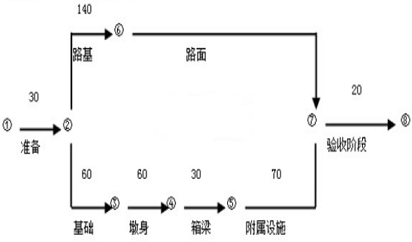
路面施工进度网络图(单位: d)
路基施工中需要10多万m3的土方,填方采用松散的砂性土和黏土,含水量在25%左右。土方料场距填方处在200~300m左右。合同约定工期为300d。合同约定,每提前1d奖励5000元,每延误1d罚款10000元。为加快施工进度,施工单位决定路面的基层和面层分成三段进行施工,基层每段的持续时间为25d、面层每段的持续时间为15d。
【背景资料】某建设工程公司承担了一矿井井筒和东翼轨道大巷的施工工作。该矿井采用立井开拓方式,中央边界式通风,井田中央布置了2个井筒、主井井筒净直径5.5m,井深650m;副井井筒直径7.0m,井深625m;风井位于井田东北部边界,净直径5.0m,井深515m。东翼轨道大巷布置在煤层底板岩石中,所穿越的岩层包括泥岩,中细砂岩等断面设计为半圆拱形,净宽4.8m,净高4.3m ,净断面积18.2m2。
施工单位在矿井开工前,组织编制了该矿井的施工组织设计,确定了矿井的施工方案,明确了施工准备工作的具体内容,并进行了认真准备。考虑到井筒表土较薄,又没有流沙,采用普通法进行施工:基岩部分采用钻眼爆破法施工,主、副井到底后进行短路贯通。
东翼轨道大巷施工的作业规程部分内容如下:
(1)当巷道穿越破碎带时,采用初喷和金属前探梁临时支护。锚网喷永久支护。其中锚杆选用直径20mm,长度2000mm的高强螺纹钢树脂锚杆。间排距为800mmx800mm,喷射混凝土厚度100mm。
(2)采用台阶法施工时,上台阶工作面超前5m(台阶高度3.0m)。上、下台阶炮眼施工分步进行,上台阶炮眼先于下台阶炮眼施工。上、下台阶同时起爆。出矸后一次性完成两帮支护工作。出矸利用P-120B型耙装机。采用正规循环作业。
(3)井下爆破工作必须由专职爆破工担任,严格执行掘进工作面作业规程及其爆破说明书。爆破作业严格执行“一炮三检”和“三人连锁”制度。
在实际施工过程中,主井井筒在施工完箕斗装载硐室后,由于不慎打穿含水层,导致淹井事故,影响施工45天,矿井整个施工组织被打乱。
【背景资料】某大型矿井采用立井开拓方式,主井直径6.0m,井深890m;副井直径7.0m,井深850m;设计巷道断面较大,井底装载硐室在主井车场水平以下。
建设单位提供的地质资料中,基岩段涌水量小于10m³/h。施工单位经建设单位同意安排主井比副井提前3个月开工,装载硐室随井筒同时施工;主井进行临时改绞,用临时罐笼提升。
实际施工中,副井施工较顺利,预计可按时到底。主井地面预注浆效果较差,施工的涌水量达65m³/h。施工单位通过增加排水设备,强行通过了含水层。由于涌水影响,预计主井将比副井滞后2.5个月到底。主、副井短路贯通需2个月。经研究,决定临时改绞的方案不变。
【背景资料】
某公司中标一座跨河桥梁工程,所跨河道流量较小,水深超过5m,河道底土质主要为黏土。项目部编制了围堰施工专项方案,监理审批时认为方案中以下内容描述存在问题:
(1)顶标高不得低于施工期间最高水位;
(2)钢板桩采用射水下沉法施工:
(3)围堰钢板桩从下游到上游合拢。
项目部接到监理部发来审核意见后,对方案进行了调整,在围堰施工前,项目部向当地位建局报告,征得同意后开始围堰施工。
在项目实施过程中发生了以下事件:
事件一:由于工期紧,电网供电未能及时到位,项目部要求各施工班组自备发电机供电。某施工班组将发电机输出端直接连接到多工程开关箱,将电焊机、水泵和打夯机接入同一个开关箱,以保证工地按时开关。
事件二:围堰施工需要吊车配合,因吊车司机发烧就医,施工员临时安排一名吊车司机代班。由于吊车支腿下面的土体下陷,引起吊车侧翻,所幸没有造成人员伤亡,项目部紧急调动机械将侧翻吊车扶正,稍作保养后又投入到工作中,没有延误工期。
【背景资料】
某建设单位通过公开招标方式,确定某建筑机电安装工程,包括建筑管道、建筑电气、通风空调,建筑智能化、消防工程、电梯工程等内容,共有A、B、C、D、E、F、G七家单位参加投标,其中A单位投标书是采用本单位自有的格式填写,C单位报价出现了正本和副本不一致的现象,D单位报价出现大写和小写不一致现象,F单位标书在投标截止日之后才送达现场,评标委员会由7人组成,其中有4名是政府官员和建设单位代表,3人为经济技术专家,最终调整后,顺利开标,并确认E单位中标。
整个工程共分为6个区域,每个区域通风空调风管工作压力如表1所示,E公司根据要求计算了每个区域的风管试验压力,并顺利完成该项工作。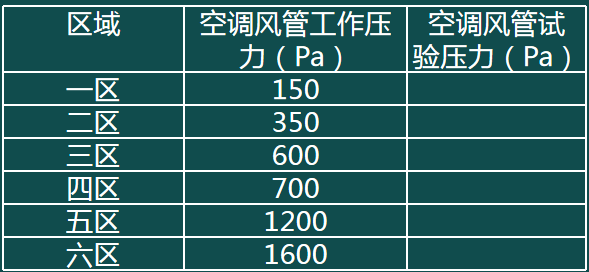
风管系统安装完毕,E公司对主要容易漏风的部位进行了严密性检验,均符合要求。通风空调系统试运行完成后,由相关人员组织了验收,最终顺利通过。
A公司于2020年8月承接一学校体育馆的采暖工程,合同额为650万元,采暖热源由风冷热泵提供,供回水温度为45/40℃,健身房、教研室等附属房间采用低温热水地板辐射供暖,比赛场馆、训练馆采用散热器供暖。供热管道采用铝塑复合管。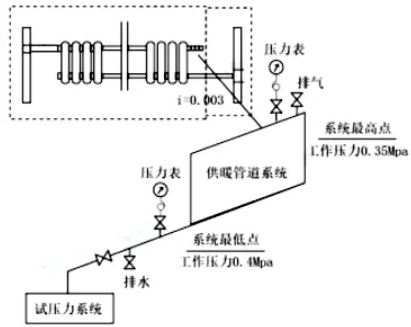
2020年11月散热器进场,A公司对其外观和金属热强度进行了检查和复验。2021年4月,供暖系统安装完毕,A公司依次对管道系统进行水压试验,经核算,项目实际成本为513万元,成本降低率为5%。该供暖系统于2021年正式投入使用。
2022年6月,建设单位按照约定将工程质量保证金返还至A公司。2022年12月,体育馆管理员反映部分散热器温度偏低,建设单位通知A公司进行检验。A公司检查后发现由于施工质量问题造成部分管道出现气塞和堵塞现象,对这些管道进行疏通和清理,并更换了部分散热器。
【背景资料】
某高速公路特大桥主桥全长820m(2×50m+9×80m)。为变截面预应能力连续箱桥,分上下游两幅,每幅单箱单室,顶板宽13m,底板宽6.5m。箱粱采用长线法台座预制,缆索吊装,悬臂拼装。
为加强安全管理,项目部在全桥施工过程中建立了安全生产相关制度,实行了安全生产责任制,并对危险性较大工程编制了安全施工专项方案。
为保证工程质量,项目部加强进场材料管理,对钢筋、钢绞线、水泥等重要材料严格检测其质量证明书、包装、标志和规格,在工地试验室,对砂卵石等地材严格按规范要求进行试验检测,某次卵石试验中,由于出现记录错误,试验人员立即当场用涂改液涂改更正,并将试验记录按要求保存。
缆索吊装系统主要由塔架、主索(承重索)、起吊索、牵引索、扣索、工作索、天车(滑轮索)、索鞍、锚碇等组成。塔架高度85m,采用钢制万能杆件联接组拼,塔架示意图如图1所示。
主索锚碇基坑地层及断面示意图如图2所示,基坑开挖完成后混凝土浇筑前突降大雨,基坑出现大面积垮塌,并导致2人受伤。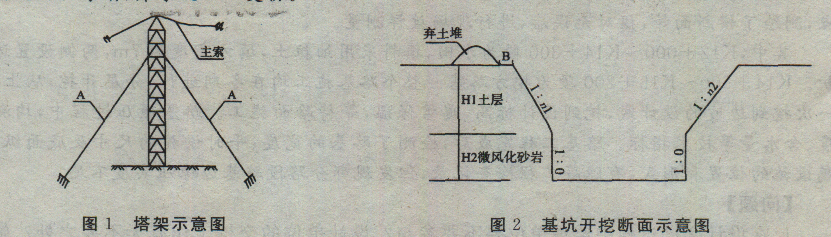
主桥墩柱、盖梁施工完成后,安放支座、现浇主梁0号块混凝土,然后吊拼1号块箱梁,同时进行墩顶箱梁的临时固结,再依次拼接各梁段。