

公司承包某半导体厂洁净空调工程(最高洁净度为ISO Class6级),其主要的空 调设备材料包括江水源热泵机组、离心式冷水机组、燃气锅炉、低噪声冷却塔、板式热 交换机、水泵、AHU空调箱、MAU 新风机组、DDC干盘管、各类阀门、空调水管、风 管、风阀及配件等,均由A公司采购。 A公司项目部进场后,针对工程编制施工组织设计,突出施工程序和明确施工方 法。施工中,A公司把非开挖顶管分包给B公司施工,把空调水管化学清洗并镀膜分包 给 C公司施工。A公司向 B、C公司提供了相关资料,负责现场的管理工作,确保B、 C公司按批准的施工组织设计进行施工。 该工程于2014年3月开工,现场洁净风管法兰连接的安装做法如图16-2所示, 监理工程师检查时提出质量整改意见。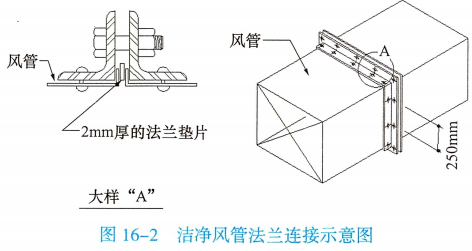
工程施工完成后,2015年7月起进行调试,A公司对空调的技术参数进行测试和 调整,竣工验收资料提交齐全,工程于2015年9月竣工验收。A公司长期以来客户反 映良好,建立了较完善的施工项目交工后的回访与保修制度,广泛听取客户意见,改进 服务方式,提高服务质量。该项目经理亲自承担回访保修的责任,将回访纳入施工单位 的工作计划、服务控制程序和质量体系文件,制定了回访工作计划。
【不定项选择题】


【背景资料】
某公司承接了某城市道路的改扩建工程。工程中包含一段长240m的新增路线(含下水道200m)和一段长220m的路面改造(含下水道200m),另需拆除一座旧人行天桥,新建一座立交桥。工程位于城市繁华地带,建筑物多,地下管网密集,交通量大。
新增线路部分地下水位在-4.0m处(原地面高程为±0.0m),下水道基坑设计底高程为-5. 5m,立交桥上部结构为预应力箱梁,采用预制吊装施工。
项目部组织有关人员编写了施工组织设计(其中进度计划见下图),并绘制了一张总平面布置图,要求工程从开工到完工严格按该图进行平面布置。
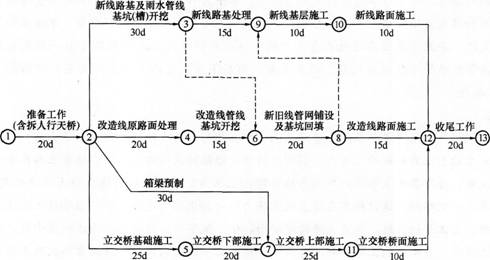
施工进度计划图(单位:d )
施工中,发生了如下导致施工暂停的事件:
(1)在新增路线管网基坑开挖施工中,原有地下管网资料标注的城市主供水管和光电缆位于-3.0m处,但由于标识的高程和平面位置的偏差,导致供水管和光电缆被挖断,使开挖施工暂停14d。
(2)在改造路面施工中,由于摊铺机设备故障,导致施工中断7d。
项目部针对施工中发生的情况,积极收集进度资料,并向上级公司提交了月度进度报告,报告中综合描述了进度执行情况。

手机使用

微信扫一扫
分享
参考答案

参考解析
【不定项选择题】
【教学设计题】
依据拟定的教学目标,针对教学重点、难点设计相应的教学活动并说明理由。
这幅图告诉了我们什么?
从图中我们可以知道哪些数学信息?
需要我们解决的问题是什么?
②弄清了题意,我们再来思考一下:这道题该怎样列式?你能列出不同的算式吗?
教师要求学生列出两种不同的算式,同桌之间互相交流讨论。
40+56=96 56+40=96
③教师提问:这两个算式有什么联系?(学生讨论回答)
④你还能再举出几个这样的例子吗?(教师根据学生的回答板书)
37+45=45+37 89+78=78+89 53+98=98+53 873+127=127+873
⑤教师提问:这四组算式有什么特点?你发现了什么规律?
学生小组讨论,并派代表回答。
⑥小结:两个数相加,交换两个加数的位置,和不变。这叫作加法交换律。
板书:两个加数交换位置,和不变。
⑦你能用自己喜欢的方式表示加法交换律吗?怎样表示既简单又清楚呢?
教师根据学生的回答板书:甲数 + 乙数 = 乙数 + 甲数;a+b=b+a;£+△=△+& … …
设计理由:丰富学生的表象,感知加法交换律,并使学生体会符号的简洁性,发展其符号意识。
环节三:巩固应用,内化提高
基本应用:引导学生完成教材课后练习,然后汇报交流。
巩固练习:25+()=75+() 56+144=( )+( ) 36+( )=64+( ) b+( )=16+( )
设计理由:即学即用,加深学生对加法交换律的理解。
环节四:布置作业
教师针对不同层次的学生分层次布置作业。
设计理由:通过课后作业促进学生对加法交换律的理解,每个学生都能在数学上得到不同的发展。
【不定项选择题】
张某开立 Ⅱ 类个人银行结算账户时,可以绑定的是 ( )。
本人 I 类银行结算账户
本人信用卡账户
本人在非银行支付机构开立的支付账户
本人 Ⅲ 类银行结算账户
【不定项选择题】
World War II was the watershed event for higher education in modern Western societies. (46) Those societies came out of the war with levels of enrollment that had been roughly constant at
3-5% of the relevant age groups during the decades before the war. But after the war, great social and political changes arising out of the successful war against Fascism created a growing demand in European and American economies for increasing numbers of graduates with more than a
secondary school education(47) And the demand that rose in those societies for entry to higher education extended to groups and social classes that had not thought of attending a university before the war. These demands resulted in a very rapid expansion of the systems of higher education, beginning in the 1960s and developing very rapidly (though unevenly) during the 1970s and 1980s.
The growth of higher education manifests itself in at least three quite different ways, and these in turn have given rise to different sets of problems. There was first the rate of growth: (48) in many countries of Western Europe,the numbers of students in higher education doubled within
five-year periods during the 1960s and doubled again in seven, eight, or 10 years by the middle of
the 1970s. Second, growth obviously affected the absolute size both of systems and individual institutions. And third, growth was reflected in changes in the proportion of the
relevant age group enrolled in institutions of higher education.
Each of these manifestations of growth carried its own peculiar problems in its wake. For example, a high growth rate placed great strains on the existing structures of governance, of administration, and above all of socialization. When a faculty or department grows from, say, five to 20 members within three or four years, (49) and when the new staff are predominantly young men and women fresh from postgraduate study, they largely define the norms of academic life in that faculty. And if the postgraduate student population also grows rapidly and there is loss of a close apprenticeship relationship between faculty members and students, the student culture becomes the chief socializing force for new postgraduate students, with consequences for the intellectual and academic life of the institution—this was seen in America as well as in France, Italy, West Germany, and Japan. (50) High growth rates increased the chances for academic innovation; they also weakened the forms and processes by which teachers and students are admitted into a community of scholars during periods of stability or slow growth. In the 1960s and 1970s, European universities saw marked changes in their governance arrangements, with empowerment of junior faculty and to some degree of students as well.
【不定项选择题】
关于公司的财务行为,下列哪些选项是正确的?( )
在会计年度终了时,公司须编制财务会计报告,并自行审计
公司的法定公积金不足以弥补以前年度亏损时,则在提取本年度法定公积金之前,应先用当年利润弥补亏损
公司可用其资本公积金来弥补公司的亏损
公司可将法定公积金转为公司资本,但所留存的该项公积金不得少于转增前公司注册资本的 25%
【不定项选择题】
【背景资料】某矿建施工单位承担了一井筒的施工任务,根据业主提供的地质资料,表土无流砂,厚度不到30m,基岩部分最大涌水量不到30m³/h,因此施工单位决定采用普通井圈背板施工法进行表土施工,基岩采用钻眼爆破法施工,采用吊泵进行排水。
在井筒表土施工时,施工单位发现有3.5m厚的流砂层,采用普通井圈背板施工法无法通过,只得采用化学注浆的方法通过,造成工程延误1个月,费用增加120万元。
井筒基岩施工中,井筒实际涌水大于50m³/h,必须采用工作面预注浆法堵水,造成工程延误2个月,费用增加200万元。
井筒施工结束进行验收时,发现井筒总的涌水量为15m³/h,不符合规范要求,业主要求进行壁后注浆堵水,施工单位为此增加费用130万元,工期延长1个月。
【不定项选择题】
某大型蛋糕店为了防止面粉市场价格变动对企业经营带来的风险,于是与某大型面粉供应商签订了以固定价格购货的长期合同。但后来考虑到合同可能存在对手违约风险,于是将规避风险的方式改为在期货市场上利用小麦期货进行套期保值操作。
【不定项选择题】
甲公司与张某劳动争议的下列表述中,正确的是()。
甲公司有权要求张某赔偿公司的经济损失
张某有权要求甲公司支付违法解除赔偿金
张某无权要求甲公司支付解除劳动合同的经济补偿
甲公司无权要求张某支付违约金