
齐先生准备为其刚出生的女儿购买一份教育年金保险。根据保险合同的规定,孩子0岁到15岁期间为交费期,年交保费3650元,年初支付。18岁至20岁每年领取15000元大学教育金,年初领取;21岁时领取15000元大学教育金和5000元大学毕业祝贺金,年初领取。 假设利率为3.5%。
根据资料(1)和(4),下列各项中,甲公司商品销售退回的会计处理结果正确的是( )。


某城市供热外网一次线工程,管道为DN500钢管,设计供水温度110℃回水温度70℃,工作压力1.6MPa.沿现况道路辐射段采用DN2600mm钢筋混凝土管作为套管,泥水平衡机械顶进,
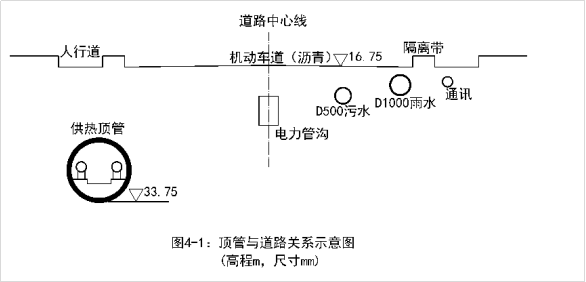
套管位于卵石层中,卵石最多粒径300mm,顶进总长度421.8m。顶管与现状道路位置关系见图4-1。
开工前,项目部组织相关工作人员进行现场调查,重点是顶管影响范围地下管线的具体位置和运行状况,以便加强对道路、地下管线的巡视和保护,确保施工安全。
项目部编制顶管专项施工方案:在永久检查井处施做工作竖井,制定道路保护和泥浆处理措施。
项目部制定应急预案,现场制备了水泥、砂、注浆设备、钢板等应急材料,保证道路交通安全。套管顶进完成后,在套管内安装供热管道,断面布置见图4-2。




齐先生准备为其刚出生的女儿购买一份教育年金保险。根据保险合同的规定,孩子0岁到15岁期间为交费期,年交保费3650元,年初支付。18岁至20岁每年领取15000元大学教育金,年初领取;21岁时领取15000元大学教育金和5000元大学毕业祝贺金,年初领取。 假设利率为3.5%。
根据资料(1)和(4),下列各项中,甲公司商品销售退回的会计处理结果正确的是( )。
2020 年 1 月 8 日,甲公司成立,张某为法定代表人,李某为财务人员。1 月 10 日李某携带资料到 P 银行申请开立了基本存款账户。1 月 15 日甲公司在 Q 银行申请开立了基本建设资金专户、1 月20 日甲公司签发一张金额为 360 万元、由 P 银行承兑的电子商业汇票交付乙公司。乙公司因急需资金,于5 月 6 日向M 银行申请办理了汇票贴现。
要求:根据上述资料,不考虑其他因素,分析回答下列小题。
关于甲公司在 Q 银行开立账户的下列表述中,正确的是()。
案例五
【背景材料】
某工程公司承接了4G设备安装工程,需要安装12个BBU和72个RRU(宏站),包括12个GPS天线和72对定向天线。工期为40天,安装到第30天的时候项目经理察看了进度成本表,如下: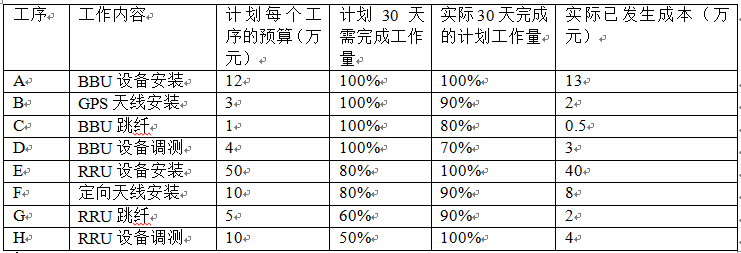
根据资料 (2), 下列各项中,甲公司出租临街房屋会计处理正确的是 ( )。
借:投资性房地产 1500 累计折旧 960 贷:固定资产 1500 投资性房地产累计折旧 960
借:投资性房地产 540 贷:固定资产清理 540
借:投资性房地产 540 累计折旧 960 贷:固定资产 1500
借:固定资产清理 540 累计折旧 960 贷:固定资产 1500
1.给定材料
材料1:
医学研究表明,吸烟有害身心健康这一点毫无疑问。但是不吸烟的人是否就一定健康长寿,吸烟之人是否就一定体弱病残寿短呢?那也不见得。正因为如此,这自然也就成为控烟与禁烟的一道障碍。我们一方面说吸烟有害身心健康,但是我们却能看到一些八、九十岁的吸烟者,相反却有许多四、五十多岁不吸烟的病夫。所以面对卷烟,我们到底吸还是不吸,控还是不控,禁还是不禁,一直以来也有争论,有不同的杂音。争论归争论,杂音归杂音,但是烟草中含有尼古丁等多种致癌有害物质这是不可争辩的事实。
所谓禁烟就是禁止吸烟。就目前国情来说,有人认为,全面禁烟是不现实的也是不可能的。自人们开始吸烟的历程来看,距今有近两百多年的历史,据说最早是印第安人发现烟草并开始吸食的,之后迅速传到中国并逐步推广沿袭下来,据有关媒体报道中国将近有3亿多烟民,数字巨大,这么多烟民有力地推动中国烟草业的强势发展,使得中国烟草行业至今依然繁荣似火,烟草行业也成为国家纳税大户,每年上缴国家利税近万亿元,成为国家经济的一个重要支柱,为国家的发展奠定了坚实基础,同时还解决了数以千万人的就业问题,有利维护社会稳定。因此面对这样的现实,当前中国全面禁烟是不可能的,也是不现实的。所谓控烟就是控制吸烟。实际上这和禁烟是有区别的,控烟只是控制或者减少而已,而禁烟就是杜绝吸烟。
材料2:
多年来,中国烟草一直保持着七个“世界第一”: 烟叶种植面积第一,烟叶收购量第一,卷烟产量第一,卷烟消费量第一,吸烟人数第一,烟草利税第一,死于吸烟相关疾病人数第一。烟草流行一般有4个阶段,而我国则处于烟草流行的早期,所以烟草消费量还很高。“在发达国家,烟草消费量都是呈下降趋势的,这和烟草流行的阶段有关。我国这么高吸烟率,在10年或者20年之后,将会导致非常高的相关疾病发病率及死亡率,对国家的医疗保险系统会带来很大的负担。”专家A先生说。他认为,中国目前的政策应对并不是很理想。比如保护人们免受烟草烟雾危害,提供戒烟帮助,警示烟草危害,确保禁止烟草广告、促销和赞助,提高烟税等几大方面,都不理想。
此前,我国“控烟”效果之所以不佳,皆因各种控烟措施很不得力,不是法规偏软,就是措施难以操作,甚至,有些控烟行动只是停留在口头呼吁而已。为什么这些控烟措施不得力呢?从经济效益看,烟草行业一直是我国的纳税大户,为我国的财政创收做出了巨大的贡献。更重要的是,政府部门和烟草行业一直关系密切,除了表现在经济方面,还体现在机制上。我国许多烟草企业既是企业还是拥有公共权利的主体,既当运动员,还当裁判,这种特殊的专卖制度决定了权利必然受制于烟草利益链,控烟就等于自剜其肉,控烟的措施和行政权力被资本俘获就成为必然。
材料3:
国家卫计委2014年12月10日就控烟法制化建设情况举行发布会,卫计委宣传司B副司长表示,我国吸烟人数超过3亿。目前,我国15岁以上的人群吸烟率为28.1%,7.4亿非吸烟人群遭受二手烟的危害。每年死于吸烟相关疾病的人数达到136.6万,约10万人死于二手烟的“暴漏”导致的相关疾病。
B 在发布会上表示,我国是世界上最大的烟草生产国和消费国,也是受烟草危害最严重的国家之一。面对严峻的控烟形式,国务院重拳出击,不久前,国务院就《公共场所控制吸烟条例》(以下简称《条例》)公开征求社会各界意见,按章规定,对于各人违反《条例》处以50元-500元的罚款,场所经营管理者违法的要处以最高3万元的罚款。“我们认为这个罚款额度与其他的国家和地区,包括我们的香港特别行政区相比较,我们不算高。”B 表示,罚款不是目的,关键是要通过罚款的形式对违法者起到教育和震慑作用,从而改变不文明的吸烟行为。据了解,2008年以来,哈尔滨、天津、青岛、长春、深圳等十五个城市相继颁布实施或者修订地方性控烟法规。
颇受关注的《北京市控烟条例》也于2014年11月28日获表决通过,2015年6月1日起开始实施,目前,北京室内已全面禁烟,若在禁烟区吸烟不听劝阻者最高可罚款200元。对经营者的处罚视其违法行为从2000元至1万元不等。对烟草制品销售者的违法行为也视情节从1万元到20万元的处罚力度。值得注意的是,《北京市控制吸烟者条例》对于烟草制品的销售者也有明确的规定。比如,条例要求烟草制品销售者应当在销售场所的显著位置设置“吸烟有害健康”和“不向未成年人出售烟草制品”的明显标识。同时烟草制品销售者要禁止下列的行为:如,向未成年人出售烟草制品;在幼儿园、中小学校、少年宫及其周边100米内销售烟草制品等;通过自动售货机或者移动通信互联网等网络渠道非法销售烟草制品等。此外,该条例还明确规定以未成年人为主要人群的活动场所和妇幼保健机构的室外区域也要禁止吸烟,教师不得在中小学生面前吸烟,不得向未成年人出售烟草制品等。
“我们注意到它是一个公共场所的控烟条例,也就是说种植烟草、烟价、税收这些等等,在公共场所控烟部分都没有包含在里面,只是截取了其中一部分。”中国政法大学C教授认为国务院此次出台的控烟条例实际上是把控烟工作截出了一段。如此一来,控烟的执法对象就仅限于公共场所,而不涉及种植烟草、烟价、税收等。另外,吸烟这种行为实际上是非常短暂、非常个人化的行为,在执法上必须要有非常及时、现场能够控制的工作机制。“这也是我们涉及多个部门来进行执法的一个关键。”C认为,鉴于吸烟人群总数非常大,单一部门执法效力不大,必须多部门执法。
材料4:
从2014年1月1日起,《兰州市公共场所控制吸烟条例》开始实行。如今控制吸烟条例实行已经一年多时间,兰州公共场所控制吸烟效果究竟如何?连日来记者进行了调查采访,2015年4月23日10时许,记者来到位于滨河东路的省图书馆进行采访。刚进一楼大厅就看到醒目处张贴者禁烟的标志,图书馆内十分寂静,读者进出、走路、说话声音都很轻。西侧读者阅览室内坐着十几名读者,有的在翻看报纸,有的在阅读杂志,有的读者还一边看一边在本子上记录着。读者群中以男性读者居多,年龄以中老年人为主。阅览室的一位女工作人员轻声向记者介绍,“这些男性读者中确实不少人是烟民。原来他们大多一边看报一边吸烟,图书馆禁烟以后如今他们都养成了习惯。不在图书馆里吸烟了。”图书馆是在去年1月开始禁烟的,刚开始读者确实有些不习惯,但工作人员劝阻时他们还是能积极配合。大约半个多月后就很少有读者抽烟了,之后读者看书不吸烟也成了习惯。
医院原来是吸烟“重灾区“,在家属陪伴患者进医院,在看病、挂号、取药等环节上抽烟,这在医院原来是司空见惯的事情。更不要说患者住院、家属陪员寂寞抽烟了,那是住院部过道内陪员吞云吐雾场面随处可见。这几天记着先后几次探访省人民医院,发现原来这些镜头已成了历史。
据记者几天连续采访了解到的情况看,行政事业单位包括卫生机构、养老企业以及大、中、小学校等禁烟效果都很明显。
记者采访了解到,虽然禁烟在行政事业单位效果显著,但在网吧、KTV、饭馆等休闲娱乐场所,禁烟令还是形同虚设,这些场所易燃烟雾缭绕。4月22日记者走进西站一家网吧,墙上虽然张贴着禁止吸烟的宣传牌,但坐在电脑前的许多网友对此视而不见。不少人嘴上叼着香烟吞云吐雾,整个网吧大厅内烟雾缭绕,空气中弥漫着香烟的混合气味。
记者询问一位正在吸烟的中年男子,是否看到了墙上的禁烟标识,该男子用审视的眼光看了记者一眼,然后说单位上不让吸烟,回到家老婆也不让吸烟,你说到娱乐场所还不让人吸烟,这还让不让人活了?网吧虽然有标识,但在这里大家都在吸烟,自己也就跟着吸烟放松放松。
网吧一位工作人员告诉记者,在网吧吸烟似乎成了一条大家默许的规矩,网民在网吧吸烟好像天经地义成了铁律,而几乎每个网吧的网民都在吸烟,并且他们也管不过来那么多人。“网民是网吧的上帝,如果你不让网民吸烟,谁还愿意到你这里来玩呢?网吧也要生存,这实在是没有办法的事情。”工作人员一脸无奈地说道。
而据记者调查了解,市区许多饭馆和火锅店内,类似的情况也比比皆是。4月22日19时许,记者和朋友走进大众巷的一家餐馆。一走进里面就能闻到一股烟味,几乎所有桌子旁边都有吸烟的人,烟民们一边潇洒的吸烟一边聊着天吃饭,一副悠哉悠哉的样子。而记者看到参观墙上就张贴着禁止吸烟的宣传牌,但吸烟的人依然腾云驾雾。记者询问餐厅经理时,对方苦笑着说,顾客就是餐馆的衣食父母,如今餐饮业竞争愈加激烈,如果你再不让人家吸烟,人家就会去别的餐馆消费,这不是自己砸自己的锅吗?开家餐馆不容易,初始服务人员算上要是几个人,没有顾客吃饭餐馆如何维持?权衡之下,他们只好选择被动禁锢,如果劝说顾客不听,那他们也只能顺其自然。
记者调查发现,出于自身生存原因,娱乐场所对顾客吸烟只能睁一只眼闭一只眼,显然禁烟令在娱乐场所成了聋子的耳朵。
无视“禁烟令”,部分公共场所控烟难确实是不争的事实。而这也让不少市民无辜遭受二手烟的危害。很多人把在公共场合吸烟不当回事,怎样才能制止这种行为?
对此,兰州大学哲学和社会学院兼职教授社会学家D认为:兰州禁烟宣传与立法应该同步进行。禁烟是一项社会系统工程,不能仅靠一些规定制约,需要配备专门管理人员实行处罚措施。禁烟要想禁止酒驾那样,加大处罚力度。但目前兰州市仅出台了公共场所控制吸烟条例,没有相应的法律条文。而没有相应的惩处法律措施,禁烟令只能是一纸空文。
材料5:
美国:2009年6月,美国出台《家庭吸烟预防和烟草控制法》。根据法案,政府有关部门有权降低烟草制品尼古丁含量,有权禁止将香烟制成糖果口味吸引年轻人。烟草公司也被要求用“吸烟有害”等字样覆盖香烟盒的广告画。在美国,公共场所禁烟令的得到很好的执行,当吸一根烟要面临250美元的公共场所经济罚则,自然不会有任何人跟自己的钱袋子过不去。当然,美国公共场所禁烟,也并非一味的封堵,而同样有疏导,如设置有限的吸烟点,以满足特定人群的烟瘾,在这些区域以外则严格禁烟。芬兰:2010年10月1日,芬兰禁烟法修正案生效。新修订的禁烟法规定,任何人违反法律向未成年人出售香烟或替未成年人购买香烟,当事人将被处以罚款或被判处6个月的监禁。新加坡:新加坡对于违反禁烟令的绝招就是重罚,在禁烟区吸烟将被罚款200新元,而阻挠禁烟令执行将被处以1000新元的罚款或监禁6个月。
材料6:
在中国控烟规划制定的过程当中,争议最大最激烈的就是关于在烟草制品包装上放不放图形警示的问题。在国外,烟盒上都会印上一些烂掉的肺、烂牙以及骷髅头等一些触目惊心的图案。但是我们国家,烟盒上只有类似“吸烟有害健康”的文字。这个做法远远不符合国际烟草控制框架公约实施细则。更有意思的是,国内香烟生产企业在包装设计上业内外有别,在国内销售时就会印非常优雅漂亮的外包装,但在国外销售就会印上符合国际公约的辅助警示图案。
公众也在诟病到目前为止的很多烟草政策都制定的不够彻底,缺乏执行力。比如,目前已经有不少地方做了公共场所禁烟立法,却很少有人在公共场所吸烟收到处罚,因为缺乏具体有效的处罚措施和执行力度。有专家认为,如果一直缺少全国性的有依据的法律法规,控烟政策就不会有很强的执行力。然而我们却依然没有出台一部行之有效的立法。
中国需要限制香烟消费,这种限制不仅仅体现于加大税收比例和买卖限制,如果真的想要限制香烟消费,我们更需要从舆论宣传的角度出发。不可否认,我们没有在舆论上发挥本身应该发挥的作用。香烟文化成为了中国特有社交现象,香烟成为国人对于气质的独特理解,并产生出人际交往中独特的香烟文化。眼下有几点是很容易做到的,一方面,明确香烟的危害,加大宣传,以强制性手段规定健康危害标示的印刷比例;另一方面,政府也需要加大财政补贴力度,帮助烟草依赖省份尽快培养出一批能够和烟草种植相替代的产业。
材料7:
2012年5月31日,作为中国首部规定包括办公场所在内的室内公共场所全面禁烟的地方性法规《哈尔滨市防止二手烟草烟雾危害条例》正式实施。这一条例被许多人称为史上最严的禁烟法规,它的最“严”不仅体验在禁烟范围上,更体现在对禁烟的要求上。
“几乎所有的公共场所都开始禁烟”,哈尔滨市卫生局地方病防治办公室主任Z说,以往许多城市禁烟,都允许在禁烟场所设立吸烟区,但是哈市这次禁烟条例中明确规定所有禁止吸烟场所,不得设置吸烟室或者划定吸烟区,这就真正实现了公共场所全面禁烟。不仅如此,像学前教育机构、中小学、少年宫、青少年活动中心和其他未成年人集中的场所,室外场所也同样不得吸烟。
为确保禁烟有效推行,《条例》明确规定:禁烟场所应建立禁止吸烟管理制度,并在醒目位置设置统一的禁止吸烟标识和有关行政管理部门举报、投诉电话;禁止吸烟场所内不设置与吸烟有关的器具;对在禁止吸烟的场所吸烟的,劝其停止吸烟,对不听劝阻的,可向有关部门举报投诉等。如果吸烟者在禁止吸烟场所吸烟且不听劝阻,由有关行政管理部门处以200元罚款;如果是场所的经营者不履行规定,由有关部门予以警告,并责令限期改正,逾期不改正的,处以二千元以上一万元以下罚款;情节严重的,处以一万元以上三万元以下罚款。
在乘坐出租车、公共汽车等公共交通工具时,如果驾驶员在车船内吸烟,乘客有权劝阻,对不听劝阻的,乘客有权向交通运输行政管理部门投诉、终止乘车船、免付车船费。而乘客在出租车、公共电汽车、轮渡船等公共交通工具内吸烟的,驾驶员和其他乘客有权劝阻,对不听劝阻的,有权要求其离开。
“立法有了,有效执行是关键”,为切实做好禁烟工作,哈市推出了“五堵”执法模式,即一靠吸烟人自律;二靠公共场所经营者、管理者制止和劝阻;三靠非吸烟人制止、劝阻;四靠社会义务监督员和志愿者劝阻;五靠处罚。同时,哈市还在划定控烟区域范围时,本着先易后难、循序渐进的原则,采取分类实施、分步推进的方式。考虑到宾馆、饭店的室内场所,如果立即禁止吸烟,很难做到。为此,控烟条例实行后,旅馆、餐饮的室内场所将在一定期限内划定吸烟的楼层、包房,期满后全面禁止吸烟。此外,针对吸一根烟,从点着到吸完不过几分钟的时间,举报后执法者很难在第一时间赶到现场进行处理的情况,执法人员将采取对举报较多的公共场所进行重点监控,如果是经营者不及时劝阻,他们将对该场所进行处罚。
“其实处罚并不是目的,我们真正的目的是要把吸烟率降下来”,哈尔滨市卫生局地方病防治办公室主任Z说,哈市此次禁烟以劝说式执法为主,采取一劝二离三投诉四举报的方式,并不是一定要罚款,只要其中一种方式能阻止吸烟就行。
2013年7月25日,记者从哈尔滨市防烟办获悉,在世卫组织公布的《世界卫生组织全球烟草流行报告》中,被誉为“为世界发展中国家提供黄金样本”的“哈尔滨控烟模式”获得了全球卫生组织的肯定。世卫组织总干事陈冯富珍博士在巴拿马会议中公布的《世界卫生组织全球烟草流行报告》中,赞扬了中国哈尔滨市在迈向成为无烟城市工作中取得的进步。世卫组织中国代表处技术官员安吉拉·普拉特博士说:“哈尔滨的无烟法律在中国处于领先地位。哈尔滨要求所有的公共场所和工作场所禁烟,不仅在宣传上更容易让公众知晓,在执法成本上也更低。看到黑龙江哈尔滨在保护市民健康方面取得如此大的进展,我们十分高兴。”
材料8:
2015年6月1日以后,北京市室内公共场所全面禁烟,这意味着现在“带顶儿”的场所都要禁烟了。而婚宴上,新娘子给宾客点喜烟是一个由来已久的婚宴传统,这一习俗将面临控烟条例的全面挑战。
北京市已经出台的室内公共场所全面禁烟的控烟条例似乎正撞上了这一传统习俗。婚宴现场,亲人、朋友聚集,完全符合室内公共场合的定义,而在这样喜庆的特殊场合,真的需要禁烟吗?答案是肯定的。传统习俗本来就具有两重性,存在着新与旧、进步与落后、积极与消极相对立的两面性,也就是说,在所有的习俗、风俗中,既有精华,又有糟粕。而吸烟,不仅严重危害人们的身体健康,是多种致命疾病的“罪魁祸首”,而且容易引起火灾,给社会和家庭都带来巨大的灾难。因此,喜烟风俗的存在弊大于利,完全应该也必定会被社会发展所淘汰。
北京市出台的控烟条例正是这样一个契机,用不容置疑的态度坚决地对室内公共场合吸烟说“不”。任何的传统和习惯都不能成为禁烟的“缺口”,因为一旦有了“例外”,那势必会造成“千里之堤毁于蚁穴”的状况出现。以往的控烟条例的推行就证明了这一点,禁烟的执行总是给各种风俗习惯、各种“情非得已”让路,最后退了一步又一步,使控烟条例在一些场合成为了“一纸空文”。
材料9:
中国政府于2003年签署了世界卫生组织《烟草控制框架公约》,并于2006年1月正式生效。按照公约及其实施准则,缔约方必须立法以防止公众接触烟草烟雾,应在公约对其生效之后5年内实现公共场所全面禁烟。然而,经过这么多年的努力,全面控烟在中国仍然举步维艰。国务院法制办2014年11月24日公布了我国首部《公共场所控制吸烟条例(送审稿)》征求社会各界意见。
公共场所控烟,预防控制未成年人吸烟都是老生常谈的话题。尽管控烟进入立法程序,多少令人期待。不过,正所谓“徒法不足以自行”,控烟立法究竟能走多远,是否能让控烟行动摆脱当下的困境,仍有待观察。
从控烟条例的送审稿来看,无论是影视剧播吸烟镜头最高罚3万,还是室内公共场所一律禁烟,都可以看出控烟力度的加强。因为证据确凿,影视剧播吸烟镜头的相关罚款,执行起来并不存在太大的难度。但是,对于室内公共场所一律禁烟,究竟靠啥来保证,具体又如何执行,假如缺乏相关的细则与可操作性,控烟立法遭遇执法困境,也仍将在所难免。
事实上,公共场所控烟早有尝试,但效果却始终乏善可陈,尤其到了操作执行层面,更是雷声大雨点小。不仅如此,长期以来形成的公共场所公然吸烟的习惯,更是形成了对控烟禁令的强大阻力。例如,“车站候车闲得无聊吸烟也违法?”,“单位干活累了抽个烟管得着吗?”,各种抵触情绪,更是让控烟禁令难以落地。那么,控烟立法是否能够有的放矢,有效化解抵触,遏制并改变公共场所吸烟的习惯,自然是实现控烟目标的关键前提。
控烟立法在这方面并非没有考量,就连谁该带头控烟,国家公务人员不得在公务活动中抽烟,都要事无巨细地提及,但问题在于,既然立法并非道德规劝,那么,假如国家公务人员并未带头控烟,甚至开会的时候领导还带头吸烟,这事儿究竟谁来管?具体又该如何执行?如果这些仍然缺乏可操作的手段的话,立法沦为空谈,甚至因为立法执行而消弭立法的严肃性,恐怕并非杞人忧天。
材料10:
《中共中央关于全面推进依法治国若干重大问题的决定》指出,法律是治国之重器,良法是善治之前提。建设中国特色社会主义法治体系,必须坚持立法先行,发挥立法的引领和推动作用,抓住提高立法质量这个关键。要恪守以民为本、立法为民的理念,贯彻社会主义核心价值观,使每一项立法都符合宪法精神、反映人民意志、得到人民拥护。要把公正、公平、公开原则贯穿立法全过程,完善立法体制机制,坚持立改废释并举,增强法律法规的及时性、系统性、针对性、有效性。
法律的生命力在于实施、法律的权威也在于实施。各级政府必须坚持在党的领导下、在政治轨道上开展工作,加快建设智能科学、全责法定、执政严明、公开公正、廉洁高效、守法诚信的法治政治。依法全面履行政治职能,推进机构、智能、权限、程序、责任法定化,推行政府权力清单制度。健全依法决策机制,把公众参与、专家论证、风险评估、合法性审查、集体讨论决定为重大行政决策法定程序,建立行政机关内部重大决策合法性审查机制,建立重大决策终身责任追究制度及责任倒查机制。深化行政执法体制改革,健全行政执法和刑事司法衔接机制。坚持严格规范公正文明执法,依法惩处各类违法行为,加大关系群众切身利益的重点领域执法力度,建立健全行政裁量权基准制度,全面落实行政执法责任制。强化对行政权力的制约和监督,完善问题纠错机制。全面推进政务公开,检查以公开为常态,不公开为例外原则,推进决策公开,执行公开,管理公开,服务公开,结果公开。
[A] Live like a peasant
[B] Balance your diet
[C] Shopkeepers are your friends
[D] Remember to treat yourself
[E] Stick to what you need
[F] Planning is everything
[G] Waste not, want not
The hugely popular blog the Skint Foodie chronicles how Tony balances his love of good food with living on benefits. After bills, Tony has £60 a week to spend, £40 of which goes on food, but 10 years ago he was earning £130, 000 a year working in corporate communications and eating at London’s best restaurants at least twice a week. Then his marriage failed, his career burned out and his drinking became serious. “The community mental health team saved my life. And I felt like that again, to a certain degree, when people responded to the blog so well. It gave me the validation and confidence that I’d lost. But it’s still a day-by-day thing.” Now he’s living in a council flat and fielding offers from literary agents. He’s feeling positive, but he’ll carry on blogging--not about eating as cheaply as you can--“there are so many people in a much worse state, with barely any money to spend on food”--but eating well on a budget. Here’s his advice for economical foodies.
41._______
Impulsive spending isn’t an option, so plan your week’s menu in advance, making shopping lists for your ingredients in their exact quantities. I have an Excel template for a week of breakfast, lunch and dinner. Stop laughing: it’s not just cost effective but helps you balance your diet. It’s also a good idea to shop daily instead of weekly, because, being human, you’ll sometimes change your mind about what you fancy.
42. _______
This is where supermarkets and their anonymity come in handy. With them, there’s not the same embarrassment as when buying one carrot in a little greengrocer. And if you plan properly, you’ll know that you only need, say, 350g of shin of beef and six rashers of bacon, not whatever weight is pre-packed in the supermarket chiller.
43. _______
You may proudly claim to only have frozen peas in the freezer--that’s not good enough. Mine is filled with leftovers, bread, stock, meat and fish. Planning ahead should eliminate wastage, but if you have surplus vegetables you’ll do a vegetable soup, and all fruits threatening to “go off” will be cooked or juiced.
44. _______
Everyone says this, but it really is a top tip for frugal eaters. Shop at butchers, delis and fish- sellers regularly, even for small things, and be super friendly. Soon you’ll feel comfortable asking if they’ve any knuckles of ham for soups and stews, or beef bones, chicken carcasses and fish heads for stock which, more often than not, they’ll let you have for free.
45. _______
You won’t be eating out a lot, but save your pennies and once every few months treat yourself to a set lunch at a good restaurant--£1.75 a week for three months gives you £21--more than enough for a three-course lunch at Michelin-starred Arbutus. It’s £16.95 there--or £12.99 for a large pizza from Domino’s: I know which I’d rather eat.
如果二审程序中刘某申请撤回起诉,关于本案的下列表述,哪些选项是正确的?( )
市中级法院不应准许刘某撤诉,因为本案已进入二审程序
经洪某同意,且不损害国家利益、社会公共利益、他人合法权益的,市中级法院可以准许刘某撤诉
市中级法院准许刘某撤诉的,原一审判决视为自动撤销
市中级法院准许刘某撤诉的,刘某可以再起诉
某露天采石场位于甲省乙市,该公司主营砂岩露天开采加工及销售,生产产品主要为建筑用砂石料。
采石场采用自上而下的分层顺序开采,单层高度6m,采用潜孔钻凿岩,2号岩石乳化炸药进行爆破。目前该矿共有2个分层处于开采中,分别为1号分层和2号分层。
石材厂采矿场的南部,矿岩节理比较发育,小的断层较多,企业在日常检查过程中发现在采场南部端帮出现了一系列与坡面近于平行的陡倾张开裂隙,使边坡岩体向临空方向张开,但并未引起采石场主要负责人王某的重视。
2016年9月15日上午,采场负责人郝某安排陈某、孙某在1号平台南部进行凿岩作业,安排李某驾驶挖掘机在1号平台南部进行清理浮石作业。中午因2号平台进行爆破作业,陈某 孙某 李某作业中断 在爆破作业完成后,3人继续进行作业。16时10分左右,采场南部端帮突然垮塌(坍塌的矿石约4800m³),将在1号平台作业的3人掩埋,经过全力抢救在坍塌的岩石中找到3人,但3人已经确定没有生命迹象。
事故调查发现:该起事故的直接原因是石材厂采矿场的南部矿岩节理比较发育,小的断层较多出现陡倾张开裂隙,加之2号平台爆破作业扰动导致采场南部端帮发生垮塌。
事故的间接原因是石材厂缺乏矿山地质、采矿、爆破的专业技术人员;对胡塌部分地质构造情况比较特殊,可能发生边坡坍塌事故的认识不足、重视不够;没有制定边坡安全管理的规定和防止边坡坍塌事故发生的措施;特别是主要领导者缺乏必要的培训导致相关安全知识匮乏,在险情存在的情况下,仍继续组织生产,造成了坍塌事故的发生。
【背景资料】
某疏浚工程采用抓斗式挖泥船,挖泥工程量120万m3,原泥面标高-5.5m,设计标高-11.0m。工期125d,抓斗斗容8时,安排3班作业,配备500时的泥驳,无备用泥驳,土质为淤泥,土的搅松系数为1.2,抓斗充泥系数为1.2,每小时抓取斗数为48斗/h,时间利用率为55%,泥驳实际装载量为450m3,重载航行到抛泥区的时间为1.5h,空载返航时间为1.1h,卸载及靠离船时间合计1.2h。