
【背景材料】
某施工单位乙方与建设单位甲方签订了某工程施工总承包合同,合同约定,工期600天,工期每提前或拖后1天奖励或者罚款1万元;经甲方同意乙方将电梯和设备安装工程分包给具备资质的专业承包单位丙方,分包合同 约定:分包工程进度必须满足施工进度总计划,施工进度奖惩约定与总承包合同的工期奖惩相同。
乙方按时提交了施工网络计划,并得到批准。 施工过程中发生了以下事件:
事件1:7月25日至26日基础工程施工时,由于特大暴雨引起洪水突发,导致现场无法施工,基础工程专业队30名工人窝工,天气转好后,27日该专业队全员进行现场清理,所用机械持续闲置3个台班(台班费:800元/台班),28日乙方安排基础作业队和机械修复被洪水冲坏的部分基础12m3(综合单价:480元/m3)。
事件2:8月7日至10日主体结构施工时,乙方租赁的大模板未能及时进场,随后的8月9日至12日,工程所在地区供电中断,造成40名工人持续窝工6天,所用机械持续闲置6个台班(台班费:900元/台班).
事件3:屋面工程施工时,乙方的劳务分包队伍人员未能及时进场,造成施工时间延长8天。
事件4:设备安装过程中,甲方采购的制冷机组因质量问题退换货,造成丙方12名工人窝工3天,租赁的施工机械闲置3天(租赁费600元/天),设备安装工程完工时间拖延3天。
事件5:因甲方对室外装修设计的效果不满意,要求设计单位修改设计,致使图纸交付拖延,使室外装修作业推迟开工10天,窝工50个工日,租赁的施工机械闲置10天(租赁费700元/天)。
事件6:应甲方要求,乙方在室内装修施工中,采取了加快施工的技术组织措施,使室内装修施工时间缩短了10天,技术组织措施直接费8万元。
其余各项工作未出现导致作业时间和费用增加的情况。
【不定项选择题】


(二)甲企业为增值税一般纳税人,2021年发生与无形资产相关的经济业务如下:
(1)1月1日,自行研发一项管理用A非专利技术。截至2月28日,发生研究人员薪酬 20万元,以银行存款支付其他研究费用40万元,取得增值税专用发票注明的增值 税税额为5. 2万元,研究阶段的相关活动已结束。
(2)3月1日,A非专利技术研发活动进入开发阶段。该阶段共发生研发人员薪酬50万 元,研发设备折旧10万元,以银行存款支付其他研发费用60万元,取得增值税专 用发票注明的增值税税额为7.8万元,所有支出均符合资本化条件。4月10 0 , A 非专利技术研发活动结束,经测试达到预定技术标准并投入使用。该非专利技术预 计使用年限为5年,无残值,釆用直线法摊销。
(3)6月1日,甲企业将A非专利技术经营出租给乙企业,双方约定的租赁期限为6个 月。月末,甲企业收取当月租金10万元,增值税税额为0.6万元,并开具增值税 专用发票,款项已存入银行。
(4)12月1日,A非专利技术租赁期满,甲企业将其出售给丙企业,售价95万元,开 出增值税专用发票注明增值税税额为5. 7万元,款项已收,存入银行。
要求:
根据上述资料,不考虑其他因素,分析回答下列小题。(答案中的金额单位用万元表示)
根据资料(2),甲企业自行研发的A非专利技术的成本为( )万元。
A.
60
B.
120
C.
127. 8
D.
187.8

手机使用

微信扫一扫
分享
参考答案

参考解析
【不定项选择题】
【不定项选择题】
【背景资料】2022年11月29日4时,A铁矿390平巷盲竖井的罐笼在提升矿石时发生卡罐故障,罐笼被撞破损后卡在距离井口2.5m处。当班绞车工甲随即升井向矿长乙和维修工丙报告后,乙和丙下井检修。丙在没有采取任何防护措施的情况下3次对罐笼角、井筒护架进行切割与焊接,切割与焊接作业至7时结束。随后乙和丙升井返回地面。
当日7时29分,甲在绞车房发现提升罐笼的钢丝绳异动,前往井口观察,发现盲竖井内起火,当即返回绞车房,关闭向井下送电的电源开关,并立即升井向乙和丙报告。随后甲和丙一起下井,到达390平巷时烟雾很大,能见度不足5m,甲和丙前行到达离起火盲竖井约300m处,无法继续前行,遂返回地面向乙汇报。乙立即报警,调矿山救护队救援,并启动A矿山应急救援预案。截至11月29日10时,核实井下被困人员共122人,其中救护队救出120人,2人遇难,救出人员中9人重伤。
事故调查发现:A铁矿与周边的4座铁矿越巷开采,井下巷道及未开采区互相贯通。各矿均未形成独立的通风系统,且安全出口和标志均不符合安全规定。
事故调查组确认,该起事故的直接原因是丙在切割与焊接作业时,切割下来的高温金属残块及焊渣掉落在井槽充填护套的表面上,造成荆笆着火,引燃充填护套的可燃物,引发火灾。
根据以上场景,回答下列问题(1~2题为单选题,3-5题为多选题):
【不定项选择题】
根据资料 (2),下列各项中,关于甲公司宣告发放现金股利相关会计处理表述正确的是 ( )。
借记 “股本” 科目 4000 万元
贷记 “未分配利润” 科目 4000 万元
贷记 “应付股利” 科目 4000 万元
借记 “利润分配 —— 应付现金股利或利润” 科目 4000 万元
【不定项选择题】
(1)事故经过
某施工队完成四层楼面工程后,需升高脚手架砌墙。因架子工韩某请假回家,项目部副经理张某便安排泥工王某、学徒工崔某开架作业。由于王、崔二人不懂扎架技术,把一些不合规格的带皮小杉条圆木当作小横挡杆使用。架子升完后,张某未去现场检查验收,便安排人员将红砖担放到架板上。27日下午,架子工韩某回到工地,发现西三墙升的架子不合要求,便将情况向队长作了反映。第二天早上,张某也发现西三墙的横杆木小了,并看见韩某正在更换。但在尚未换好的情况下便要工人上工。
当一名泥工刚走到西三墙架板上时,一根小横杆因承受不住重量而断裂,架板下塌。导致该泥工从 12m 高的架板上摔下来,造成左腿骨折,经医院抢救无效死亡。该施工项目部副经理张某的行为触犯《刑法》第 114 条之规定,构成重大责任事故罪,依法判处张某有期徒刑 6 个月,缓刑 1 年。
(2)事故原因
违章作业,不顾安全。张某身为项目部副经理,只注意施工进度,忽视作业安全,安排不懂扎架技术的人员扎架,并违反脚手架搭设完毕要经过施工负责人验收,合格后方能使用的规定,不到现场检查验收,为事故的发生埋下了隐患,在隐患未完全排除时,便指挥工人冒险作业,是造成此次事故的主要原因。
根据以上场景,回答下列问题(1~2 题为单选题,3~5 题为多选题):
【不定项选择题】
背景资料
某河道治理工程施工1标建设内容为新建一座涵洞,招标文件依据《水利水电工程标准施工招标文件》(2009年版)编制,工程量清单采用清单计价格式。招标文件规定:
1.除措施项目外,其他工程项目采用单价承包方式。
2.投标最高限价490万元,超过限价的投标报价为无效报价。
3.发包人不提供材料和施工设备,也不舍得暂估价项目。
投标截止时间10天前,招标人未接到招标文件异议,在招标和合同管理过程中发生如下事件:
事件1:投标人A提交的投标报价函及附件正本1份,副本4份,函明投标总报价优惠5%,随同投标文件递交了投标保证金,投标保证金来源于工程所在省分公司资产。评标公示期结束后第二天,未中标的投标人A向该项目招标投标行政监督部门投诉,以投标最高限价违反法规为由,要求重新招标。
事件2:投标人B提交了已标价工程量清单(含已标价工程量清单计算附件),投标报价汇总如表3所示。
投标报价汇总如表
合同编号:XX-SG-01项目名称:某河道治理工程施工1标。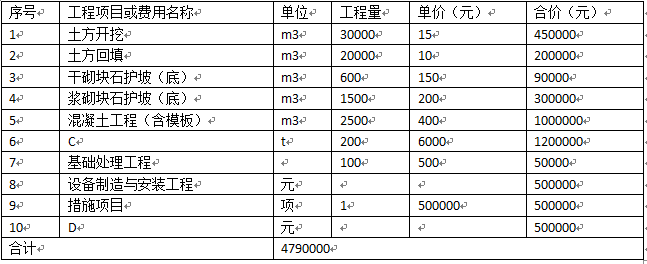
事件3:合同中关于砌体工程的计量和支付有如下约定:
1.砌体工程按招标图纸所示尺寸计算的有效砌筑体以m3为单位计量;2.浆砌块石砂浆按有效砌筑体以m3为单位计量;3.砌体工程中的止水设施、排水管、垫层及预埋件等费用,包含在砌体项目有效工程量单价中,不另行支付;4.承包人按合同要求完成砌体建筑物的基础清理和施工排水等工作所需的费用包含在措施项目费用中,不另行支付。
【问题】
【不定项选择题】
A公司承建某建筑机电安装工程,A公司进场后,针对该工程编制应急预案,并对现场施工人员进行了以下应急预案培训:(1)应急预案的内容和应急方式,明确各自任务和防护措施;(2)应急预案内容和实施程序变更后的处理流程;(3)紧急事故的报警方法和报警程序。
A公司将临时用电工程分包给B公司施工,B公司编制了临时用电施工方案,临时用电采用三级配电、TN-S接零保护系统;为了充分利用项目现有电缆,临时用电总配电柜进线电缆采用一根4芯电缆(YJFE-4×70)加一根单芯电缆(YJFE-1×25);总配电柜内母线采用TMY-50x5,螺栓搭接。方案经编制人员交底后,B公司组织了临时用电工程的施工。A公司检查临时用电工程后指出:(1)单芯电缆(YJFE-1×25)用于PE导体不满足现行规范《建筑与市政工程施工现场临时用电安全技术标准》JGJ/T 46—2024第2.3.8条规定(表2);(2)总配电柜内母线搭接面钻孔位置及孔径大小和数量符合规范规定;但搭接面长度30mm和M6搭接螺栓不满足现行规范《电气装置安装工程母线装置施工及验收规范》GB50149—2010第3.2.2条规定(表3)。A公司要求B公司返工,B公司返工后,向监理单位申请竣工验收,被监理单位拒绝。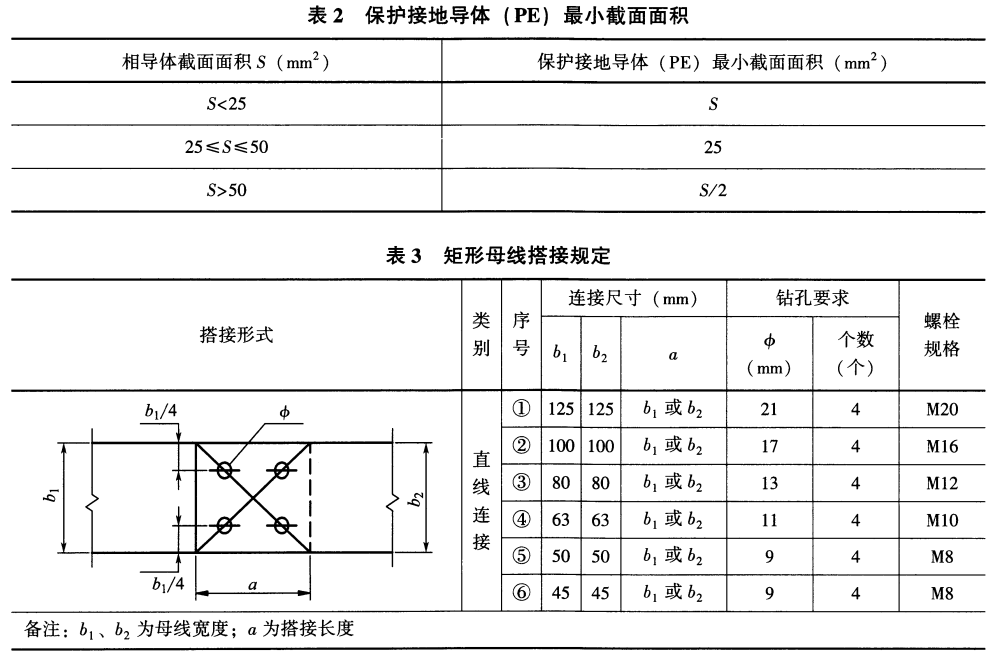
【不定项选择题】
甲企业为增值税一般纳税人,其生产的 M 产品适用的增值税税率为 13%。2019年 12 月 1 日,该企业“应收账款”所属明细科目的借方余额合计为 300 万元,“坏账准备——应收账款”科目的贷方余额为 20 万元,企业确认收入的同时结转销售成本。12 月份该企业发生经济业务如下:
(1)8 日,向乙企业销售 M 产品 100 件,每件产品标价为 2.5 万元(不含增值税)、单位成本 2 万元;由于是成批销售,甲企业给予乙企业 10%的商业折扣,并开具了增值税专用发票,至本月末款项未收到,该项销售符合收入确认条件,该项销售业务属于在某一时点履行的履约义务。
(2)20 日,丙企业因产品质量问题退回 M 商品 10 件。该产品为上月采用现销方式售出并已确认收入,其单价为 2.5 万元(不含增值税)、成本为 2 万元。甲企业已向丙企业开具了增值税红字发票,并签发了一张面值为 28.25 万元、期限为 1 个月的银行承兑汇票,退回的产品已入库。
(3)31 日,年终清查财产时,发现 2015 年入账的应收账款 3 万元无法收回,确认为坏账。
(4)31 日,对应收账款进行减值测试后,确定“坏账准备——应收账款”科目贷方余额为 33 万元。
要求:根据上述资料,不考虑其他因素,分析回答下列小题(答案中的金额单位用万元表示)。
2. 根据资料(2),下列各项中,甲企业销售退回会计处理结果正确的是( )。
银行存款减少 28.25 万元
库存商品增加 20 万元
应交税费减少 3.25 万元
主营业务收入减少 25 万元
【不定项选择题】
对火灾自动报警系统进行维护保养,故障报警信息未能修复,可能的原因有( )。
更换的备用探测器规格型号不符合要求,无法与原系统兼容
更换探测器时没有正确编码
传输线路故障没有修复
深测器底座接线端子锈蚀未清除或更换
火灾报警控制器没有进行联动编程设置
【不定项选择题】
张某是红叶有限公司的小股东,持股 5%; 同时,张某还在枫林有限公司任董事,而红叶有限公司与枫林有限公司均从事保险经纪业务。红叶有限公司多年没有给张某分红,张某一直对其会计账簿存有疑惑。关于本案,下列哪一选项是正确的?( )
张某可以用口头或书面形式提出查账请求
张某可以提议召开临时股东会表决查账事宜
红叶有限公司有权要求张某先向监事会提出查账请求
红叶有限公司有权以张某的查账目的不具正当性为由拒绝其查账请求