

甲(国有房地产公司领导)曾因公务为公司垫付各种费用5万元,但由于票据超期,无法报销。为挽回损失,甲指使知情的程某(公司老板)虚构与公司的劳务合同并虚开发票。甲在合同上加盖公司公章后,找公司财务套取“劳务费”5万元。下列选项中错误的是( )。
【不定项选择题】


假释的性质是( )。
A.
附条件提前释放
B.
附条件不执行原判刑罚的剩余刑期
C.
变通的执行方式
D.
是刑罚执行的一种奖励措施

手机使用

微信扫一扫
分享
参考答案

参考解析
【不定项选择题】
甲以非法手段骗取国有公司的财产,构成诈骗罪
甲具有非法占有公共财物的目的,构成贪污罪
程某协助甲对公司财务人员进行欺骗,构成诈骗罪与贪污罪的想象竞合犯
程某并非国家工作人员,但帮助国家工作人员贪污,构成贪污罪的帮助犯
【不定项选择题】
【背景资料】某施工单位承包一斜井井筒工程,该井筒全长3000m,倾角22°,设计断面为半圆拱形,正常段为锚杆金属网喷射混凝土支护,锚杆抗拔力100kN;破碎带采用C40现浇混凝土支护。斜井井筒穿过围岩主要为砂岩,整体稳定性较好;距离井520.0m处有一含水断层破碎带,长度约9.0m。施工单位编制的施工组织设计确定该斜井井筒由上向下采用钻眼爆破法施工,计划工期18个月。
施工过程中发生以下事件:
事件1:施工单位第3个月共完成59m井筒的掘进支护工作,安装锚杆590根。质量验收时,抽查检验了2组锚杆共计6根,抗拔力实测值分别为92kN、116kN、115kN、102kN、98kN、110kN。
事件2:斜井下山施工过程中,由于巷道沿途顶板淋水和底板出水较多,水流向工作面积聚,而工作面空间有限,无法布置大型排水设备。淤泥积水影响了正常施工。后采取措施,保证了工作面干燥施工。
事件3:完工时,实测井筒总漏水量90m³/h,监理工程师要求施工单位整改。同时发现巷道底部欠挖。
【不定项选择题】
李某任职于国内某知名服装企业,为我国居民纳税人,20×9年全年取得的收入如下:
(1)从该企业取得基本工资12000元/月,加班工资1000元/月,全年取得独生子女补贴200元,2月取得差旅费津贴1800元,8月取得误餐补贴500元。
(2)12份出租居住用房获得租金3500元,当月发生修理费1000元。
(3)购买赈灾彩票中奖收入20000元,将8000元对扶贫公益慈善事业进行捐赠。
(4)转让境内上市公司股票,取得转让收入5000元;取得股息收入500元(持股8个月)。
(5)取得国债利息收入1000元
(6)在某单位兼职取得报酬2000元/月
【不定项选择题】
甲公司为居民企业, 主要从事不锈钢用品的生产和销售业务, 2019年有关经营情况如下: ( 1) 产品销售收入 800万元, 销售边角料收入 40万元, 接受捐赠收入 60万元, 国债利息收入 5万元。 ( 2) 实发合理工资、薪金总额 100万元, 发生职工福利费 支出 15万元、职工教育经费支出 1.5万元,拨缴工会经费 2万元。 ( 3)全年发生业务招待费支出 8万元。 ( 4)当年发生广告费支出 120万元,上年结转未扣完的广告 费5万元; ( 5) 支付法院诉讼费 3万元, 税收滞纳金 4万元, 合同违 约金 5万元, 银行逾期利息 6万元。 企业所得税
( 6) 因管理不善一批原材料被盗, 原材料成本 10万元, 增值税进项税额 1.3万元, 取得保险公司赔款 6万元,原材料损失 已经税务机关核准。 已知: 职工福利费支出、职工教育经费支出、拨缴的工会经 费分别不超过工资薪金总额的 14% 、 8%和 2%的部分, 准予扣 除; 广告费不超过当年销售(营业) 收入的 15%的部分准予扣除; 业务招待费按照发生额的 60%扣除,但最高不得超过当年销售(营 业)收入的 5‰。 要求:根据上述资料,不考虑其他因素,分析回答下列问题。
甲公司在计算 2019年度企业所得税应纳税所得额时, 下列扣除金额计算错误的是( )。
职工福利费 15万元
工会经费 2万元和职工教育经费 1.5万元
业务招待费 4万元
广告费 120万元
【不定项选择题】
【案例一】某厂的机电安装工程由A安装公司承包施工,土建工程由B建筑公司承包施工。A安装公司、B建筑公司均按照《建设工程施工合同(承包文本)》与建设单位签订了施工合同。合同约定:A安装公司负责工程设备和材料的采购,合同工期为215天(3月1日到9月30日),工程提前1d奖励2万元,延误1d罚款2万元。合同签订后,A安装公司项目部编制了施工方案、施工进度计划和采购计划等,并经建设单位批准。
合同实施过程中发生如下事件:
1.A安装公司项目部进场后,因B建筑公司的原因,土建工程延期10天交付给安装公司项目部,使得A安装公司项目部的开工事件延后了10d。
2.因供货厂家原因,订货的不锈钢阀门延期15天送达到施工现场。A安装公司项目部对阀门进行了外观检查、阀体完好,开启灵活,准备用于工程管道安装,被监理工程师叫停,要求对不锈钢阀门进行试验。项目部对不锈钢阀门进行了试验,试验全部合格。
合同实施过程中发生如下事件:
3.监理工程师发现:A安装公司项目部已经开始压力管道的安装,但未向本市特种设备安全监督管理部门书面告知。监理工程师发布停工整改指令。项目部进行了整改,并向本市特种设备安全监督部门书面告知。
因以上时间造成工期延误,A安装公司项目部及时向建设单位提出工期索赔,要求增加工期25d。项目部采取了技术措施,施工人员加班加点赶工期,使得机电安装工程在10月4日完成。该机电安装工程完工后,建设单位在10月4日未经工程验收就擅自投入使用,在使用3d后发现不锈钢管道焊缝渗漏严重。建设单位要求项目部进行返工抢修,项目部抢修后,经再次试运转检验合格,在10月11日后重新投用。
【不定项选择题】
【背景资料】
某水利枢纽工程由混凝土重力坝、水电站等建筑物构成。
施工单位与项目法人签订了其中某坝段的施工承包合同,部分合同条款如下:合同总金额壹亿伍仟万元整;开工日期为2007年9月20日,总工期26个月。开工前,项目法人向施工单位支付10%的工程预付款(以履约保证金担保),预付款扣回按公式R=A×(C-F1S)/(F2-F1)计算。式中:F1为10%;F2为90%。
施工过程中发生如下事件:
事件1:在导流设计前,施工单位在围堰工程位置进行了补充地质勘探,支付勘探费2万元。施工单位按程序向监理单位提交了索赔意向书和索赔申请报告。索赔金额为2.2万元(含勘探费2万元,管理费、利润各0.1万元)。
事件2:大坝坝基采用水泥灌浆,灌浆采用单排孔,分三序施工,其施工次序如图2所示。根据施工安排在基岩上浇筑一层坝体混凝土后再进行钻孔灌浆。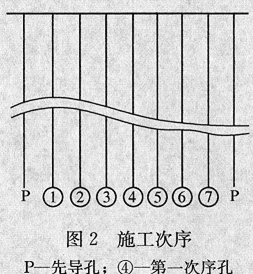
事件3:至2008年3月,施工累计完成工程量2700万元。4月份的月进度付款申请单见表4。

【不定项选择题】
[A] The first and more important is the consumer’s growing preference for eating out; the consumption of food and drink in places other than homes has risen from about 32 percent of total consumption in 1995 to 35 percent in 2000 and is expected to approach 38 percent by 20This development is boosting wholesale demand from the food service segment by 4 to 5 percent a year across Europe, compared with growth in retail demand of 1 to 2 percent. Meanwhile, as the recession is looming large, people are getting anxious. They tend to keep a tighter hold on their purse and consider eating at home a realistic alternative.
[B] Retail sales of food and drink in Europe’s largest markets are at a standstill, leaving European grocery retailers hungry for opportunities to grow. Most leading retailers have already tried e-commerce, with limited success, and expansion abroad. But almost all have ignored the big, profitable opportunity in their own backyard: the wholesale food and drink trade, which appears to be just the kind of market retailers need.
[C] Will such variations bring about a change in the overall structure of the food and drink market? Definitely not. The functioning of the market is based on flexible trends dominated by potential buyers. In other words, it is up to the buyer, rather than the seller, to decide what to buy .At any rate, this change will ultimately be acclaimed by an ever-growing number of both domestic and international consumers, regardless of how long the current consumer pattern will take hold.
[D] All in all, this clearly seems to be a market in which big retailers could profitably apply their scale, existing infrastructure and proven skills in the management of product ranges, logistics, and marketing intelligence. Retailers that master the intricacies of wholesaling in Europe may well expect to rake in substantial profits thereby. At least, that is how it looks as a whole. Closer inspection reveals important differences among the biggest national markets, especially in their customer segments and wholesale structures, as well as the competitive dynamics of individual food and drink categories. Big retailers must understand these differences before they can identify the segments of European wholesaling in which their particular abilities might unseat smaller but entrenched competitors. New skills and unfamiliar business models are needed too.
[E] Despite variations in detail, wholesale markets in the countries that have been closely examined-France, Germany, Italy, and Spain-are made out of the same building blocks. Demand comes mainly from two sources: independent mom-and-pop grocery stores which, unlike large retail chains, are too small to buy straight from producers, and food service operators that cater to consumers when they don’t eat at home. Such food service operators range from snack machines to large institutional catering ventures, but most of these businesses are known in the trade as “horeca”: hotels, restaurants, and cafes. Overall, Europe’s wholesale market for food and drink is growing at the same sluggish pace as the retail market, but the figures, when added together, mask two opposing trends.
[F] For example, wholesale food and drink sales come to $268 billion in France, Germany, Italy, Spain, and the United Kingdom in 2000-more than 40 percent of retail sales. Moreover, average overall margins are higher in wholesale than in retail; wholesale demand from the food service sector is growing quickly as more Europeans eat out more often; and changes in the competitive dynamics of this fragmented industry are at last making it feasible for wholesalers to consolidate.
[G] However, none of these requirements should deter large retailers (and even some large good producers and existing wholesalers) from trying their hand, for those that master the intricacies of wholesaling in Europe stand to reap considerable gains.
41. |
| → | 42. |
| → | 43. |
| → | 44. |
| → | [E] | → | 45. |