
下列属于第二次世界大战后国际经济法新发展标志性事件的是 ( )。
【不定项选择题】


【背景资料】某公路工程施工项目由某路桥工程公司进行施工。该施工单位根据施工组织设计的要求,路基工程施工工期为10个月,在施工中发现了湿陷性黄土。施工单位遂对其进行了处理。在路基石方的施工中采用了洞室施工方法。按照施工程序和施工要求对纵坡为14%的路堤进行填土。

手机使用

微信扫一扫
分享
参考答案

参考解析
【不定项选择题】
案例(二)
背景资料:
背景资料:某公司承建一项市政管沟工程。其中穿越城镇既有道路的长度75m,采用
Ф=2000mm泥水平衡机械顶管施工。道路两侧设顶管工作井、接收井各1座,结构尺寸见图2所示,两座井均采用沉井法施工,开挖前采用管井降水。设计要求沉井分节制作、分次下沉,每节高度不超过6m。
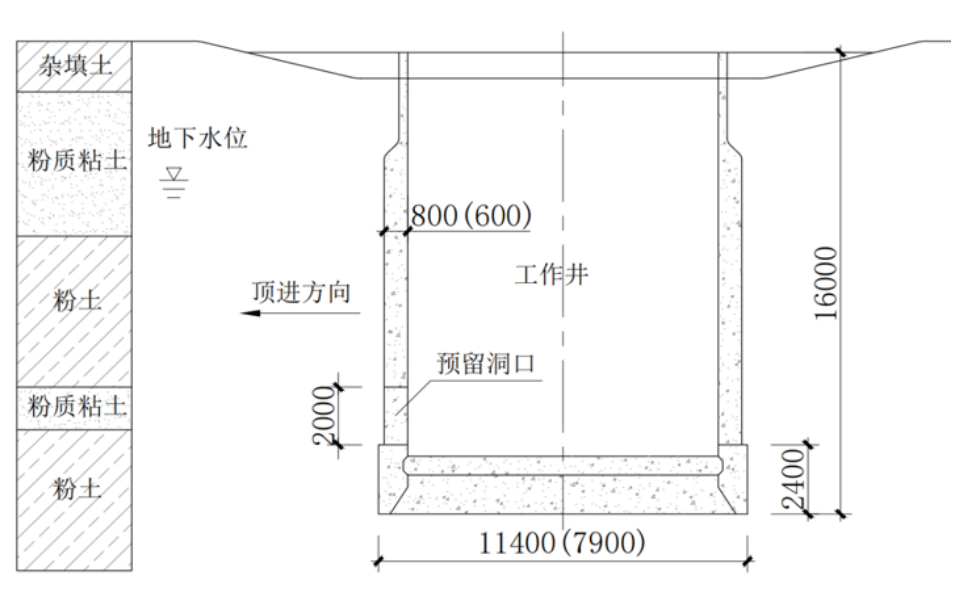
图2沉井剖面示意图(单位mm)(注:括号内数字为接收井尺寸)项目部编制的沉井施工方案如下:
(1)测量定位后,在刃脚部位铺设砂垫层,铺垫木后进行刃脚部位钢筋绑扎、模板安装、浇筑混凝土。
(2)刃脚部位施工完成后,每节沉井按照满堂支架→钢筋制作及安装→A→B→C→内外支架加固→浇筑混凝土的工艺流程进行施工。
(3)每节沉井混凝土强度达到设计要求后,拆除模板,挖土下沉。沉井分次下沉至设计标高后进行干封底作业。
【不定项选择题】
【背景资料】
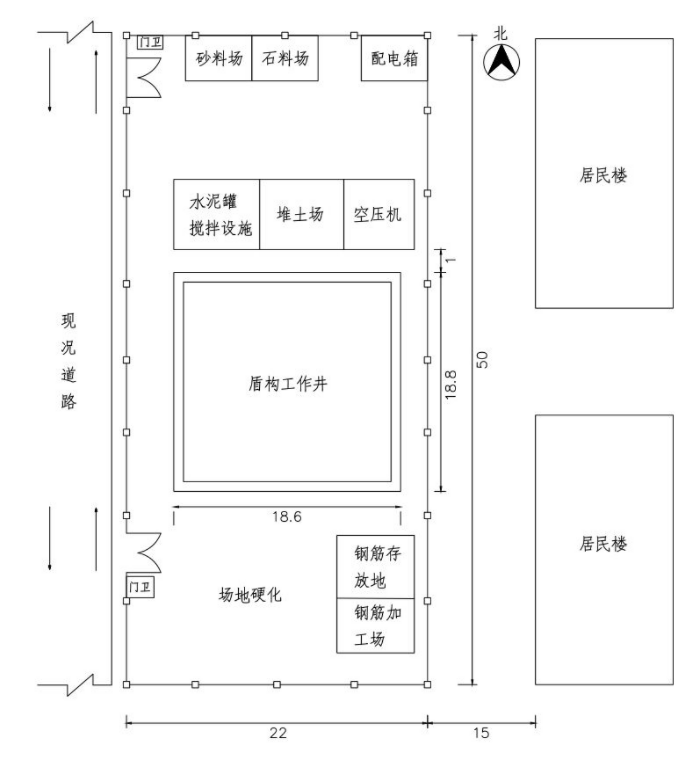
某地铁盾构工作井,平面尺寸为18.6m*18.8m,深28m,位于砂性土.卵石地层,地下水埋深为地表以下23m。施工影响范围内有现状给水、雨水、污水等多条市政管线。盾构工作井采用明挖法施工,围护结构为钻孔灌注桩加钢支撑,盾构工作井周边设降水管井。设计要求基坑土方开挖分层厚度不大于1.5m,基坑周边2m-3m范围内堆载不大于30MPa,地下水位需在开挖前1个月降至基坑底以下1m。
项目部编制的施工组织设计有如下事项:
1.施工现场平面布置如图4所示,布置内容有施工围挡范围50m*22m,东侧围挡距居民楼15m,西侧围挡与现状道路步道路缘平齐;搅拌设施及堆土场设置于基坑外缘1m处;布置了临时用电、临时用水等设施;场地进行硬化等。
2.考虑盾构工作井基坑施工进入雨季,基坑围护结构上部设置挡水墙,防止雨水浸入基坑。
3.应急预案分析了基坑土方开挖过程中可能引起基坑坍塌的因素包括钢支撑敷设不及时、未及时喷射混凝土支护等。
【不定项选择题】
(二)丙公司为增值税一般纳税人,2019年度至2021年度发生的与无形资产有关业务如下:
(1)2019年1月10日 ,丙公司开始自行研发一项行政管理用非专利技术,截至2019年 5月31日 ,用银行存款支付外单位协作费148万元,领用本单位原材料成本52万 元(不考虑增值税因素),经测试,该项研发活动已完成研究阶段。
(2)2019年6月1日研发活动进入开发阶段。该阶段发生研究开发人员的薪酬支出70 万元,领用材料成本170万元(不考虑增值税因素),全部符合资本化条件。2019 年12月1日,该项研发活动结束,最终开发形成一项非专利技术并投入使用。该 非专利技术预计可使用年限为5年,预计残值为零,釆用直线法摊销。
(3)2020年1月1日,丙公司将该非专利技术出租给乙企业,双方约定租赁期限为2 年,每月末以银行转账结算方式收取租金5万元(不考虑增值税因素)。
(4)2021年12月31日,租赁期限届满。经减值测试,该非专利技术的可收回金额为 104万元。
要求:
根据上述资料,不考虑其他因素,分析回答下列小题。(答案中的金额单位用万元表示)
3. 根据资料(3),下列各项中,丙公司2020年1月出租无形资产和收取租金的会计处 理正确的是( )。
借:其他业务成本 4贷:累计摊销 4
借:管理费用 4贷:累计摊销 4
借:银行存款 5贷:其他业务收入 5
借:银行存款 5贷:营业外收入 5
【不定项选择题】
The social sciences are flourishing. As of 2005, there were almost half a million professional social scientists from all fields in the world, working both inside and outside academia. According to the World Social Science Report 2010, the number of social-science students worldwide has swollen by about 11% every year since 2000.
Yet this enormous resource is not contributing enough to today’s global challenges, including climate change, security, sustainable development and health. (41)_______Humanity has the necessary agro-technological tools to eradicate hunger, from genetically engineered crops to artificial fertilizers. Here, too, the problems are social: the organization and distribution of food, wealth and prosperity.
(42)_______This is a shame—the community should be grasping the opportunity to raise its influence in the real world. To paraphrase the great social scientist Joseph Schumpeter: there is no radical innovation without creative destruction.
Today, the social sciences are largely focused on disciplinary problems and internal scholarly debates, rather than on topics with external impact. Analyses reveal that the number of papers including the keywords “environmental change” or “climate change” have increased rapidly since 20(43)_______
When social scientists do tackle practical issues, their scope is often local: Belgium is interested mainly in the effects of poverty on Belgium, for example. And whether the community’s work contributes much to an overall accumulation of knowledge is doubtful.
The problem is not necessarily the amount of available funding. (44)_______This is an adequate amount so long as it is aimed in the right direction. Social scientists who complain about a lack of funding should not expect more in today’s economic climate.
The trick is to direct these funds better. The European Union Framework funding programs have long had a category specifically targeted at social scientists. This year, it was proposed that the system be changed: Horizon 2020, a new program to be enacted in 2014, would not have such a category. This has resulted in protests from social scientists. But the intention is not to neglect social science; rather, the complete opposite. (45)_______That should create more collaborative endeavors and help to develop projects aimed directly at solving global problems.
[A] These issues all have root causes in human behavior: all require behavioral change and social innovations, as well as technological development. Stemming climate change, for example, is as much about changing consumption patterns and promoting tax acceptance as it is about developing clean energy.
[B] Despite these factors, many social scientists seem reluctant to tackle such problems. And in Europe, some are up in arms over a proposal to drop a specific funding category for social- science research and to integrate it within cross-cutting topics of sustainable development.
[C] During the late 1990s, national spending on social sciences and the humanities as a percentage of all research and development funds—including government, higher education, non-profit and corporate—varied from around 4% to 25%; in most European nations, it is about 15%.
[D] It could be that we are evolving two communities of social scientists: one that is discipline- oriented and publishing in highly specialized journals, and one that is problem-oriented and publishing elsewhere, such as policy briefs.
[E] However, the numbers are still small: in 2010, about 1,600 of the 100,000 social-sciences papers published globally included one of these keywords.
[F] The idea is to force social scientists to integrate their work with other categories, including health and demographic change; food security; marine research and the bio-economy; clean, efficient energy; and inclusive, innovative and secure societies.
[G] The solution is to change the mindset of the academic community, and what it considers to be its main goal. Global challenges and social innovation ought to receive much more attention from scientists, especially the young ones.
【不定项选择题】
【背景资料】
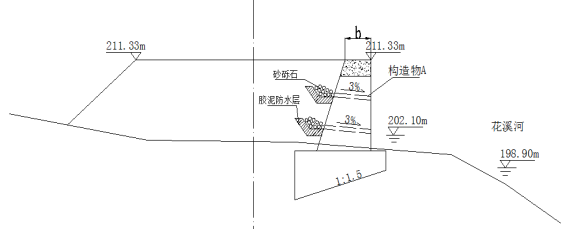
某施工单位承包了南方某二级公路D合同段路基施工,其中K8+200~K8+320为沿河路基,设计为浆砌块石路肩挡土墙(见图1),挡土墙最大高度为11.2m,设计高程211.33m,设计洪水位202.10m,常水位198.90m。施工单位选择在枯水季节施工,挡土墙施工前全面做好排水系统,施工工艺见图2。

在基坑挖到设计高程后,经检验基底承载力等各项指标满足要求,开始进行基础砌筑。基础施工完后,立即进行基坑回填。基础圬工强度达到要求后,进行墙身砌筑。
挡土墙砌筑与路基回填交替施工,对挡土墙按高度分阶段验收。墙背填料采用与前后路段路堤填料相同的黏土,做到逐层填筑,逐层压实。
施工完成后,对挡土墙的平面位置、墙面坡度、表面平整度进行了实测。
【不定项选择题】
【背景资料】
某河道治理工程施工1标建设内容为新建一座涵洞,指标文件依据《水利水电工程标准施工招标文件》(2009年版)编制,工程量清单采用清单计价格式。招标文件规定:
1.除措施项目外,其他工程项目采用单价承包方式。
2.投标最高限价490万元,超过限价的投标报价为无效报价。
3.发包人不提供材料和施工设备,也不设定暂估价项目。
投标截止时间为10天前,招标人未接到招标文件异议。在招标和合同管理发生如下事件:
事件1:投标人A提交的投标报价修改函及附件正本1份,副本4份,函明投标优惠5%,随同投标文件递交了投标保证金,投标保证金来源于工程所在省分公司资产,评标公示期结束后第二天,未中标的投标人A向该项目招标投标行政监督机构投诉,以投标最高限价违反法律法规为由,要求重新招标。
事件2:投标人B提交了已标价工程量清单(含已标价工程量清单计算附件)投标报价汇总如表3所示。 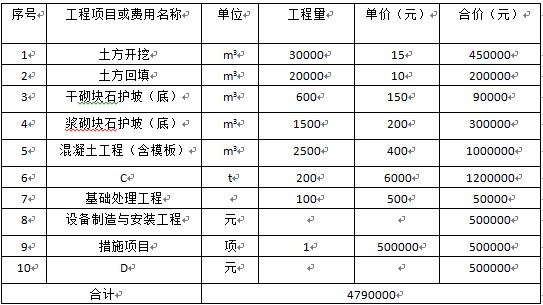
事件3:合同中关于砌体工程的计量和支付有如下约定:
1)砌体工程按招标图纸所示尺寸计算的有效砌筑体以m3为单位计量;
2)浆砌块石砂浆按有效砌筑体以m3为单位计量;
3)砌体工程中的止水设施排水管、垫层及预埋件等费用,包含在砌体项目有效工程量单价中,不另行支付;
4)承包人按合同要求完成砌体建筑物的基础清理和施工排水等工作所需费用包含在措施项目费用中,不另行支付。