
【案例背景】
某施工单位承建某南方沿海城市的大型体育馆机电安装工程。合同工期为12个月,于2016年11月10日开工,2017年11月10日竣工。
该工程的特点是各类动力设备包括冷冻机组、水泵、集中空调机组、变配电装置等均布置在有通风设施和排水设施的地下室。
由于南方沿海空气湿度高、昼夜温差大,夏天地下室结露严重,给焊接、电气调试、油漆、保温等作业的施工质量控制带来困难。
通风与空调系统的风管工作压力为2000Pa。项目部决定风管及部件在现场加工,某段室外金属风管的施工示意图如下图所示,监理工程师认为图中的做法存在多处不妥,要求施工单位改正后实施。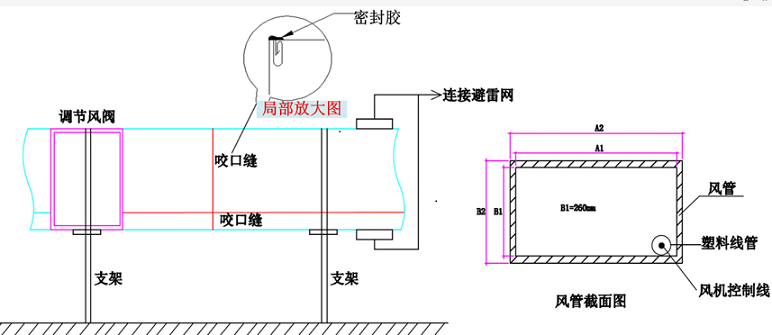
项目部制定的施工进度计划中,施工高峰期在6-8月份,正值高温季节。根据地下室的气候条件和比赛大厅高空作业多的特点,需制定针对性的施工技术措施,编制质检计划和重点部位的质量预控方案等,使工程施工顺利进行,确保工程质量。在施工过程中,由于个别班组抢工期,在管理上出现工序质量失控,致使在试车阶段发生施工质量问题,如通风与空调系统进行单机和联动试车时,有两台风机出现振动大、噪声大,电动机端部发热等异常现象。经调查发现:风机的垫铁有移位和松动;电动机和风机的联轴器同轴度超差。
【不定项选择题】


根据资料(1),下列各项中,甲公司购入M材料应借记的会计科目及其金额正确的是( )。
A.
“应交税费——应交增值税(进项税额)”科目105062元
B.
“应交税费——应交增值税(进项税额)”科目104000元
C.
“原材料”科目811800元
D.
“材料采购”科目803800元

手机使用

微信扫一扫
分享
参考答案

参考解析
【不定项选择题】
【不定项选择题】
【背景资料】
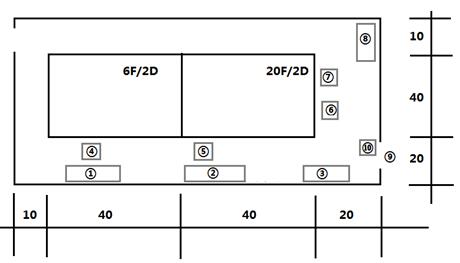
一建筑施工场地,东西长110m,南北宽70m,拟建建筑物首层平面80m×40m,地下2层,地上6/20层,檐口高26/68米,建筑面积约48000㎡。施工场地部分临时设施平面布置示意图(见图1),图中布置施工临时设施有:现场办公室、木工加工及堆场,钢筋加工及堆场,油漆库房,塔吊,施工电梯,物料提升机,混凝土地泵,大门及围挡,车辆冲洗池(图中未显示的设施为符合要求)
【不定项选择题】
【背景资料】
某施工单位承接了一座多跨变截面预应力混凝土连续箱桥梁,大桥分为上下游两幅,每幅单箱顶板宽10.5m,底板宽6m。大桥采用钻孔灌注桩基础,双柱式桥墩(墩柱高15m至26m不等),普通钢筋混凝土盖梁。
上部结构0号采用墩顶混凝土现浇施工,临时固结构造示意图如下图。

其他梁段(1~19号)采用预制场长线法台座预制,缆索吊装系统悬臂拼装。各梁段之间腹板采用剪力齿衔接,环氧树脂粘合,顶板与底板均设20cm湿接缝。施工中加强测量管理,各梁段施工按照设计标高安装定位,控制好全桥线形。
1~19号梁段长线法预制及悬拼安装施工工序为:预制场及存梁区布置→梁段浇筑台座准备→梁段浇筑及养护→D→梁段外运→梁段吊拼就位→临时预应力张拉及腹板剪力齿粘合→E→预应力穿索及张拉、封锚→下一梁段施工。
按照交通运输部颁发的《公路桥梁和隧道工程施工安全风险评估指南(试行)》的要求。施工单位对全桥进行了总体风险评估,评估结果为III级。
【不定项选择题】
A公司承接一项DN1000mm天燃气管线工程,管线全长4.5km,设计压力4.0MPa,材质为聚乙烯管(SDR11),除穿越一条宽度为50m的非通航河道采用泥水平衡法顶管施工外,其余均采用开槽明挖施工,B公司负责该工程的监理工作。
工程开工前,A公司踏勘了施工现场,调查了地下设施、管线和周边环境,了解水文地质情况后,建议将顶管施工改为水平定向钻施工。经建设单位同意后办理了变更手续。A公司编制了水平定向钻施工专项方案,建设单位组织了包含B公司总工程师在内的5名专家对专项方案进行了论证,项目部结合论证意见进行了修订,并办理了审批手续。
为顺利完成穿越施工,参建单位除研究设定钻进轨迹外,还采用专业浆液现场配制泥浆液。以便在定向钻穿越过程中起到如下作用:软化硬质土层、调整钻进方向、润滑钻井,为泥浆马达提供保护。
项目部按所编制的穿越施工专项方案组织施工,施工完成后在投入使用前进行了管道吹扫、强度试验、严密性试验。
【不定项选择题】
某机电设备安装公司经过邀请招标,获得 10000t/d 水泥熟料生产线的机电设备安装工程的总承包资格,并与业主签订了施工合同。合同规定了工程范围、工期、质量标准、安全环境要求,其中施工质量标准和要求按行业标准执行,主要材料如钢材、电缆、Ø50 以上的管道、阀门等由业主提供,施工现场的协调由总承包单位负责。
由于机电设备安装公司任务饱和,人员机具配置不够,项目部仅有十多名现场管理人员组成。机电设备安装公司把工程按车间划分,分包给 4 个均有一定经验的施工队伍,且都有营业执照。其中主体工程分包给当年属于本单位的几名技术骨干组成的一个施工队伍。为保证工程质量,分包合同中把质量标准统一提高到企业标准,分包单位提出异议。
施工中发生了以下事件:
事件 1,施工现场因道路、场地问题经常发生停工窝工,分包单位找安装公司解决,安装公司回复分包单位自行协商解决。
事件 2,厂区的主电缆未按时到场,拖延工期 5 天,分包单位找安装公司索赔窝工费用和要求工期顺延,安装公司认为不是自己造成的,让分包单位直接找业主协商。
事件 3,分包单位在炉窑的施工中,回转窑在筒体焊接后,由冷端(高端)开始进行砌筑,被安装公司项目部管理人员制止,要求改正。
【不定项选择题】
甲公司为增值税一般纳税人。假定销售商品、和提供服务(经营租赁除外)均为企业的主营业务,都符合收入确认条件,其成本在确认收入时逐笔结转,不考虑其他因素。
2019年12月,甲公司发生如下交易或事项:
(1)1日,甲公司通过竞标赢得一个服务期为5年的客户,该客户每年末支付含税咨询费1 908 000元,增值税税率6%。为取得与该客户的合同,甲公司聘请外部律师进行尽职调查支付相关费用15 000元,为投标而发生的差旅费10 000元,支付销售人员佣金50 000元。甲公司预期这些支出未来均能够收回。此外,甲公司根据其年度销售目标、整体盈利情况及个人业绩等,向销售部门经理支付年度奖金10 000元。
(2)1日,甲公司与乙公司签订为期6个月的装修合同,合同总价款为300万元,该业务适用增值税率9%,装修费用每月末按完工进度支付。至12月31日,实际发生劳务成本50万元(均为职工薪酬),估计为完成该合同还将发生劳务成本150万元,乙公司按进度支付了价款和税款。假定该项业务属于甲公司的主营业务,按实际发生的成本占估计总成本的比例确定劳务完工进度,发生的成本预期能够收回。
(3)甲公司经营一家健身俱乐部。12月1日,A客户与甲公司签订合同,成为甲公司的会员,并向甲公司支付会员费3 600元(不含税价),可在未来的12个月内在该俱乐部健身,且没有次数的限制。该业务适用的增值税税率为6%。甲公司于每月末确认收入时开具增值税专用发票并收到税款。
(4)甲公司经营一家酒店,该酒店是甲公司的自有资产。2x19年12月甲公司计提与酒店经营直接相关的酒店、客房以及客房内的设备家具等折旧120 000元、酒店土地使用权摊销费用65 000元。经计算,当月确认房费、餐饮等服务含税收入424 000元,增值税税率6%,全部存入银行。
(5)12月31日,甲公司与乙公司签订经营租赁( 非主营业务 ) 吊车合同, 向乙公司出租吊车三台,期限为6个月,起租日为2020年1月1日,三台吊车租金(含税) 共计67 800元。合同签订日,甲公司收到租金并存入银行, 开具的增值税专用发票注明租金20 000元、 增值税2 600元。租赁期满日,甲公司收到租金余款及相应的增值税。该项业务适用增值税税率为13%。
2. 根据资料(4),甲公司会计处理正确的有()。
甲公司确认资产的折旧费、摊销费,应借记主营业务成本
甲公司确认资产的折旧费、摊销费,应借记合同履约成本
确认12月收入时,甲公司贷记主营业务收入400 000元
确认12月收入时,甲公司贷记应交税费——应交增值税(销项税额)24 000元
【不定项选择题】
张某前往甲证券公司营业部要求开立账户进行证券委托交易。客服人员李某对张某的身份信息进行了核实,按照规定了解张某的基本情况,并要求张某填写《投资者风险承受能力问卷》对其风险承受能力进行评估,履行适当性管理义务,并进行留痕管理。经核查,张某的风险承受能力评估结果与该业务的风险承受能力等级相匹配。李某向张某告知了适当性匹配意见及相关风险警示内容并提供了书面文件,张某签署确认适当性匹配结果,确认已理解和接受适当性匹配结果和风险警示内容,前述告知警示过程进行了全过程录音录像。
【不定项选择题】
背景:某井筒工程2017年3月1日签署合同,合同价1000万,合同约定采用价格指数法调整物价变化引起的合同价款调整,其中固定部分占合同比重为0.2。2018年3月1日结算时与基期价格指数相比,钢材涨价15%,水泥涨价20%,人工涨价22%,其余价格未发生变化,其中钢材、水泥和人工占可调值部分的比例分别为10%、25%和35%。
【不定项选择题】
【背景资料】某港口高桩码头有4个5万吨级集装箱泊位.1个工作船码头和2个道路堆场标段。主码头总长度为1200m;工作船码头长度为100m,为沉箱重力式结构;道路堆场40万平方。承建单位在编制该项目的单位及分部.分项工程划分计划表时,将该项目划分为3个单位工程(码头为2个单位工程,道路堆场为1个单位工程)。
【不定项选择题】
【案例五】
某水闸工程,主要建筑物为1级建筑物,次要建筑物为3级建筑物,临时建筑物为4级建筑物。闸室共10孔,为钢筋混凝土框架式结构,采用水泥土搅拌桩进行地基处理。上、下游翼墙均采用钢筋混凝土扶壁式结构。闸室下游设钢筋混凝土挖深式消力池,消力池后布置混凝土护底和海漫,后接抛石防冲槽。闸上设交通桥、启闭机房和桥头堡,闸门为平面钢闸门,配卷扬式启闭机,工程平面布置如图1所示。该闸上游翼墙及铺盖施工时,为加快施工进度,承包人安排两个班组,按照上游翼墙Ⅱ→10→9→8→7→6和上游翼墙I→1→2→3→4→5的顺序同步施工。